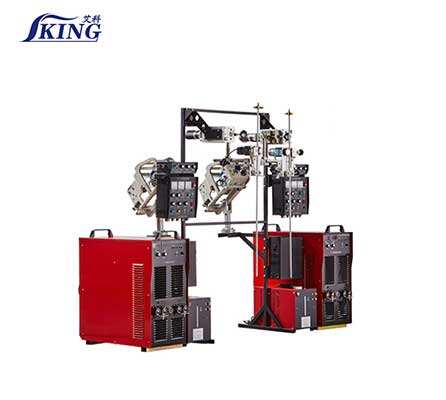
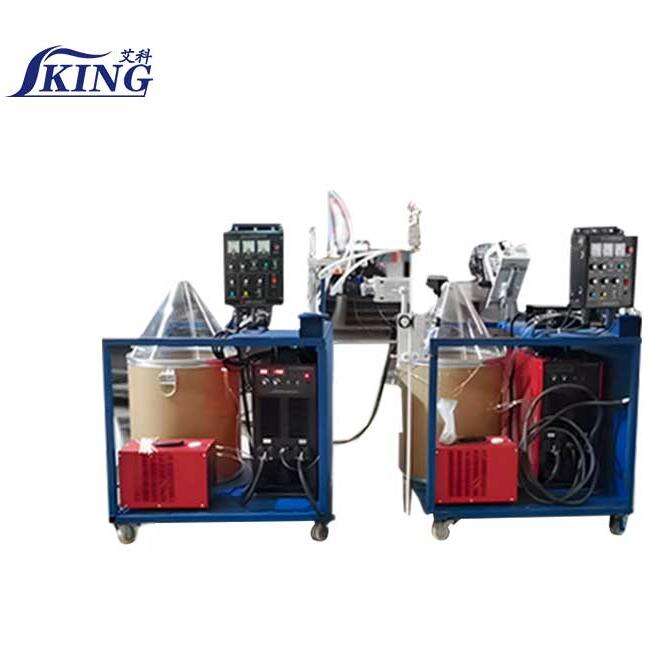
Industrial welding operations rely heavily on robust and precise equipment to maintain consistent quality and productivity. A column welding machine represents a significant investment for manufacturing facilities, requiring systematic maintenance approaches to ensure optimal performance throughout its operational lifecycle. Proper maintenance protocols not only extend equipment lifespan but also prevent costly downtime, maintain weld quality standards, and ensure operator safety in demanding industrial environments.

Understanding the mechanical complexities and operational demands of modern welding systems enables maintenance teams to develop comprehensive care strategies. These sophisticated machines integrate multiple subsystems including power supplies, positioning mechanisms, cooling circuits, and control interfaces that require coordinated maintenance attention. Establishing proactive maintenance schedules significantly reduces unexpected failures while optimizing overall equipment effectiveness in high-volume production scenarios.
Daily visual inspections form the foundation of effective column welding machine maintenance programs. Operators should systematically examine all visible components for signs of wear, damage, or unusual conditions before beginning welding operations. This includes checking cable integrity, electrode positioning systems, cooling line connections, and structural components for any abnormalities that could compromise performance or safety.
Attention to detail during visual inspections often reveals developing issues before they become critical failures. Look for loose connections, frayed cables, fluid leaks, unusual wear patterns, or any debris accumulation that might interfere with normal operation. Document any observations in maintenance logs to establish trends and patterns that inform preventive maintenance scheduling.
Maintaining cleanliness around column welding machine installations directly impacts operational reliability and safety. Remove metal splatter, dust, and debris from machine surfaces, particularly around electrical components and ventilation openings. Clean work surfaces prevent contamination issues that can affect weld quality while ensuring proper heat dissipation from critical components.
Establish cleaning protocols that address both immediate work areas and surrounding environments. Use appropriate cleaning materials and techniques that won't damage sensitive components or leave residues that could interfere with welding processes. Regular cleaning also facilitates more effective inspections by ensuring all components remain visible and accessible.
Weekly maintenance activities focus on more detailed inspections and basic adjustments that ensure continued reliable operation. Check all moving parts for proper lubrication, examine electrical connections for tightness and corrosion, and verify that cooling systems maintain appropriate fluid levels and circulation rates. These intermediate-frequency tasks catch issues that might not be apparent during daily inspections.
Test safety systems and emergency stops during weekly maintenance sessions to ensure protective mechanisms function correctly. Calibrate positioning systems and verify that control interfaces respond appropriately to operator inputs. Document all measurements and observations to maintain comprehensive maintenance records that support warranty claims and regulatory compliance requirements.
Monthly maintenance schedules incorporate more intensive inspection and service activities that require specialized tools or temporary equipment shutdown. This includes detailed examination of internal components, replacement of consumable items, and performance testing under various operating conditions. Monthly services often reveal wear patterns and degradation trends that inform long-term maintenance planning.
During monthly inspections, measure critical parameters such as electrical resistance, fluid pressure, temperature profiles, and mechanical tolerances. Compare these measurements against manufacturer specifications and historical data to identify developing issues. Replace filters, seals, and other consumable components according to manufacturer recommendations or based on condition assessments.
Power supply systems require specialized attention due to their complexity and critical role in welding performance. Regular inspection of transformer connections, rectifier components, and control circuits ensures stable power delivery and prevents electrical failures. Monitor power supply temperatures during operation and verify that cooling systems maintain components within specified operating ranges.
Clean electrical contacts and connections periodically to prevent resistance buildup that can cause overheating and premature failure. Check insulation integrity and ground connections to maintain electrical safety standards. Replace worn contactors, relays, and other electrical components before they fail completely and cause secondary damage to connected systems.
Mechanical components of column welding machine systems require regular lubrication, adjustment, and replacement to maintain precise positioning and smooth operation. Inspect bearings, guides, drive mechanisms, and structural components for wear, alignment, and proper function. Apply appropriate lubricants according to manufacturer specifications and environmental conditions.
Monitor mechanical wear patterns to predict component replacement needs and schedule maintenance activities during planned downtime periods. Adjust mechanical systems to maintain specified tolerances and ensure consistent weld placement accuracy. Replace worn components before they cause damage to other system elements or compromise weld quality standards.
Recognizing early warning signs of performance degradation enables proactive maintenance interventions that prevent more serious failures. Common indicators include inconsistent arc characteristics, unusual noise levels, excessive vibration, temperature variations, or changes in power consumption patterns. These symptoms often indicate developing problems in specific subsystems that require targeted attention.
Establish baseline performance parameters during initial installation and commissioning to provide reference points for ongoing condition assessment. Monitor key performance indicators regularly and investigate any deviations from established norms. Early intervention based on performance trends typically requires less extensive repairs and reduces overall maintenance costs.
Systematic diagnostic approaches help identify root causes of column welding machine problems rather than addressing only superficial symptoms. Use diagnostic tools such as multimeters, thermometers, vibration analyzers, and visual inspection equipment to gather objective data about system conditions. Follow logical troubleshooting sequences that isolate problems to specific components or subsystems.
Document diagnostic procedures and results to build institutional knowledge about common failure modes and effective solutions. This information proves valuable for training maintenance personnel and improving preventive maintenance programs. Maintain spare parts inventories based on historical failure data and manufacturer recommendations to minimize downtime when repairs become necessary.
Maintenance activities on column welding machine systems require appropriate personal protective equipment to ensure worker safety during service operations. This includes electrical safety equipment, eye protection, respiratory protection when working with cleaning solvents or in dusty environments, and protective clothing suitable for the specific maintenance tasks being performed.
Ensure that maintenance personnel receive proper training on safety procedures and equipment usage before working on welding systems. Establish lockout/tagout procedures for electrical and mechanical systems to prevent accidental startup during maintenance activities. Verify that emergency response procedures are clearly defined and that appropriate first aid equipment remains readily accessible.
Maintenance activities must comply with applicable environmental regulations regarding waste disposal, emissions control, and workplace safety standards. Properly dispose of used lubricants, filters, cleaning solvents, and other maintenance waste materials according to local regulations. Maintain documentation demonstrating compliance with regulatory requirements and industry standards.
Consider environmental impacts when selecting maintenance materials and procedures. Use environmentally friendly cleaning products where possible and implement waste minimization strategies that reduce overall environmental footprint. Stay current with evolving regulations and adjust maintenance practices accordingly to maintain compliance status.
Major maintenance intervals depend on usage intensity, operating environment, and manufacturer recommendations, but typically range from quarterly to annually. High-volume operations or harsh environments may require more frequent major maintenance, while lighter-duty applications might extend intervals. Monitor equipment condition indicators and performance trends to optimize maintenance timing for your specific application.
Essential spare parts include consumable items like filters, seals, and gaskets, along with commonly failing components such as contactors, relays, and fuses. Keep replacement parts for critical wear items identified through maintenance history analysis. Coordinate with equipment manufacturers to identify recommended spare parts lists based on your specific model and application requirements.
Most maintenance tasks require complete system shutdown and proper lockout/tagout procedures to ensure safety. Some routine cleaning and visual inspection activities might be possible during limited operation, but always follow manufacturer safety guidelines and company safety policies. Never compromise safety for operational convenience, as the risks far outweigh potential productivity benefits.
Component replacement decisions should be based on condition monitoring data, performance trends, maintenance history, and manufacturer recommendations rather than arbitrary time intervals. Watch for increasing failure frequency, declining performance parameters, rising maintenance costs, or obsolescence issues that indicate replacement timing. Consider total cost of ownership when evaluating repair versus replacement options for major components.
 Hot News
2026-04-09
2026-04-08
2026-04-07
2026-02-26
2026-02-19
2026-02-18

Since 1991, China IKING Industrial Group has been at the forefront of advanced welding technology. With a global presence and over 30 years of experience, we offer innovative solutions in submerged arc welding, electroslag welding, and stud welding. Our high-performance machines have empowered over 100 countries and key industries such as wind energy, shipbuilding, rail transport, and heavy machinery.
RM801-822, Hongxing Building 3, Linke West Road, Hedong District, Tianjin, China
Copyright © 2026 China IKING Industrial Group Co., Ltd. All right reserved Privacy Policy
 EN
EN