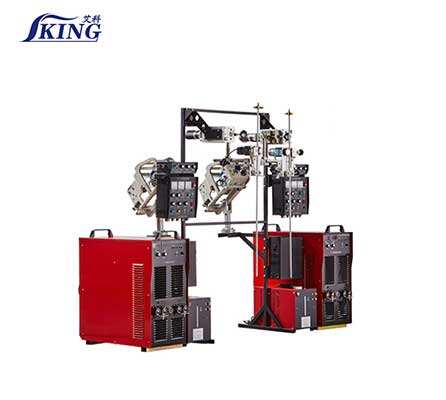
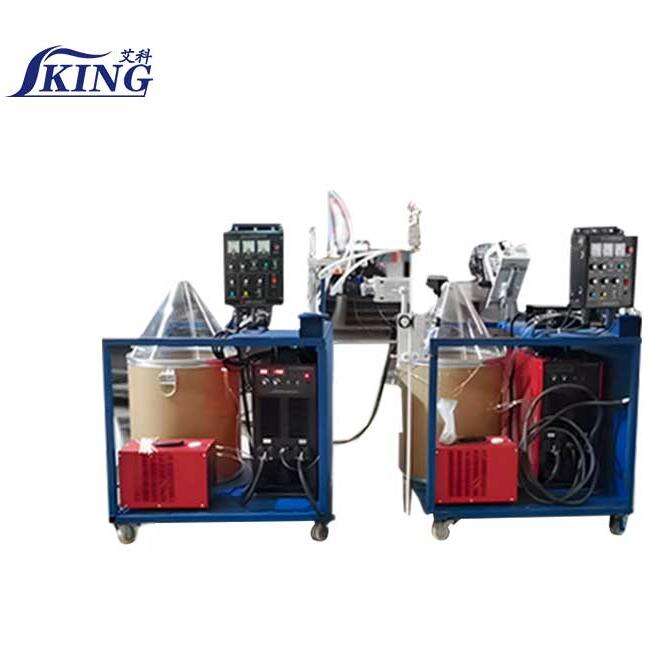
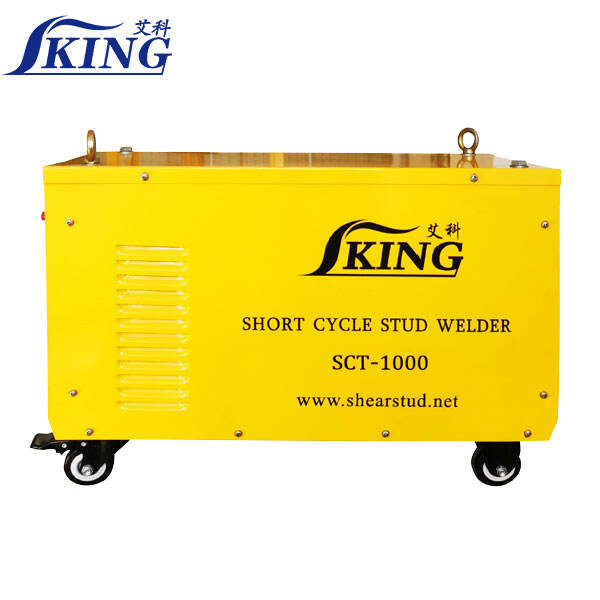
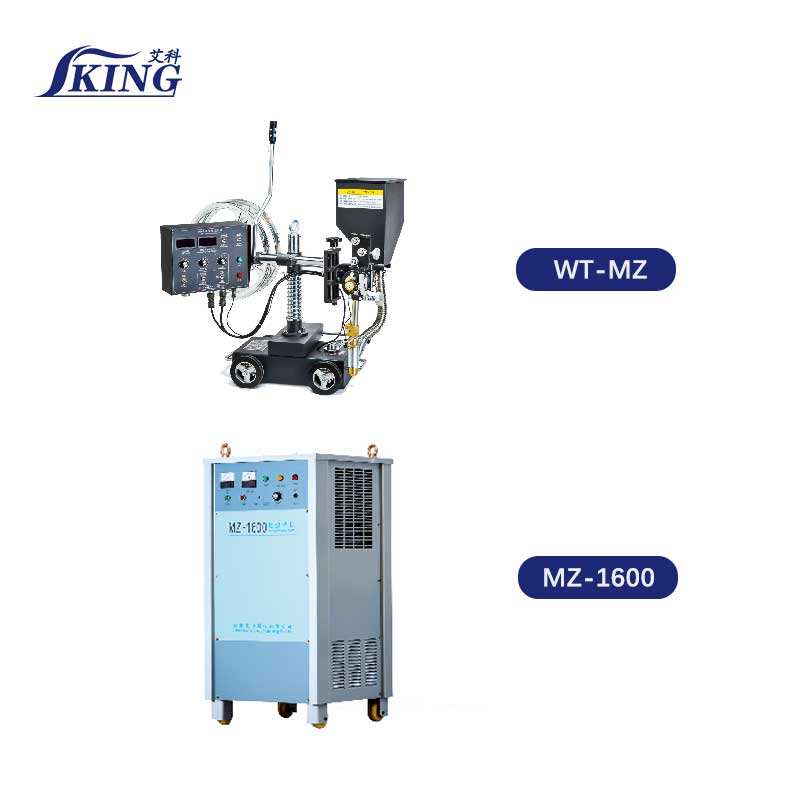
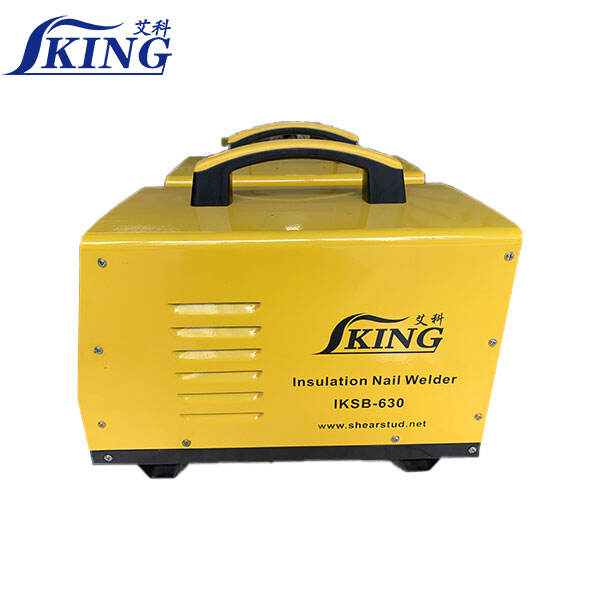
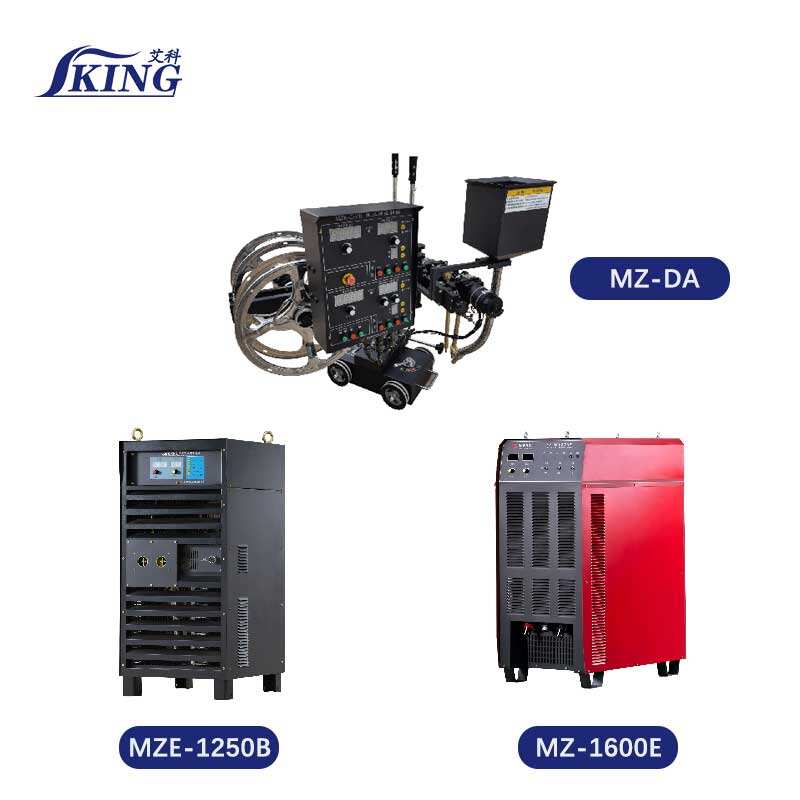
A box beam welding machine represents a specialized piece of industrial equipment designed to fabricate high-strength structural components used in construction, shipbuilding, and heavy machinery manufacturing. These machines automate the complex process of welding multiple steel plates together to form hollow rectangular sections, delivering consistent quality and enhanced productivity compared to manual welding methods. The technology behind these systems has evolved significantly over recent decades, incorporating advanced automation features and precision controls that ensure optimal weld penetration and structural integrity.
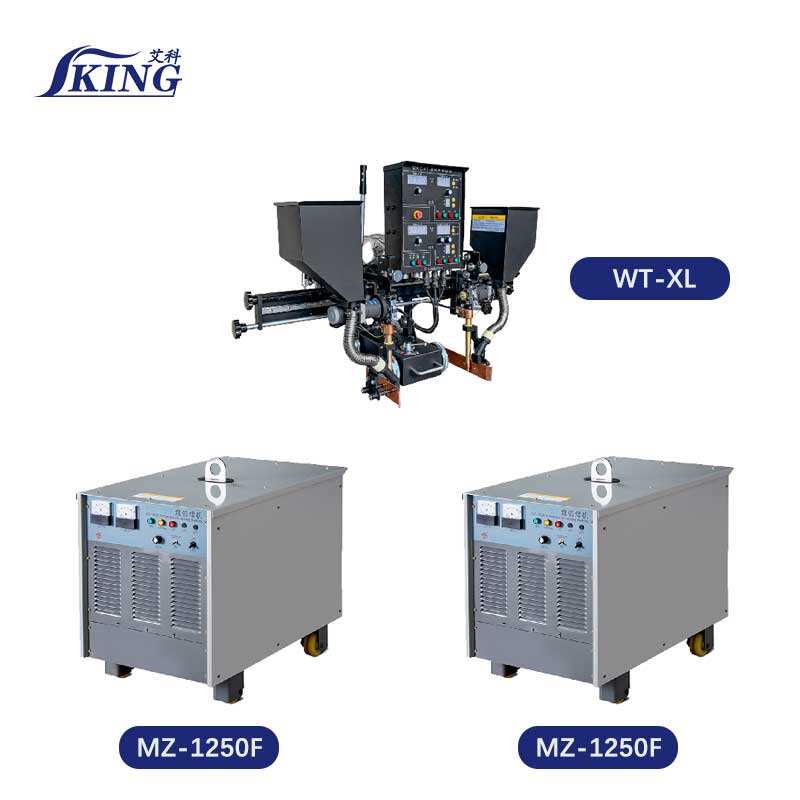
Modern manufacturing industries increasingly rely on automated welding solutions to meet growing demands for structural steel components. The box beam welding machine has become an essential tool for producing girders, columns, and other load-bearing elements that form the backbone of infrastructure projects worldwide. Understanding the capabilities and applications of this equipment is crucial for manufacturers seeking to optimize their production processes while maintaining the highest quality standards.
Box beam construction involves joining steel plates at precise angles to create hollow rectangular cross-sections that offer superior strength-to-weight ratios. The welding process requires careful attention to joint preparation, heat input control, and proper sequencing to prevent distortion and ensure structural integrity. A box beam welding machine automates these critical steps through sophisticated control systems that monitor welding parameters in real-time.
The structural advantages of box beams stem from their ability to resist both bending and torsional forces more effectively than solid sections of equivalent weight. This efficiency makes them particularly valuable in applications where minimizing material usage while maximizing load-bearing capacity is essential. The welding machine must accommodate various plate thicknesses and steel grades to produce beams meeting specific engineering requirements.
Advanced box beam welding machines typically employ submerged arc welding (SAW) technology, which provides deep penetration and high deposition rates necessary for thick section welding. The process involves feeding continuous wire electrodes through granular flux, creating a protective environment that shields the molten weld pool from atmospheric contamination. This approach ensures consistent weld quality across the entire length of the beam.
Integration of multiple welding heads allows simultaneous welding of multiple joints, significantly reducing cycle times compared to sequential welding operations. The machine coordinates the movement of workpieces through precise positioning systems while maintaining optimal welding parameters for each joint. This level of automation minimizes human error and produces repeatable results that meet stringent quality standards.
The construction industry represents one of the largest markets for box beam welding machine applications, particularly in high-rise building construction and bridge fabrication. These machines produce structural columns, girders, and cross-bracing elements that form the primary load-bearing framework of modern buildings. The ability to fabricate custom beam sizes and configurations allows architects and engineers greater design flexibility while maintaining structural performance requirements.
Infrastructure projects such as highway bridges, railway structures, and airport terminals require large quantities of standardized box beams with consistent dimensional accuracy. Automated welding systems ensure these components meet strict tolerances and quality specifications required for critical infrastructure applications. The machines can process various steel grades, including weathering steels and high-strength low-alloy materials commonly specified for exposed structural applications.
Shipyards utilize box beam welding machines to fabricate hull structures, deck beams, and other marine components that must withstand extreme loads and corrosive environments. The marine industry demands exceptional weld quality due to safety requirements and the difficulty of performing repairs once vessels are in service. These machines produce watertight welds that maintain structural integrity under dynamic loading conditions encountered in marine environments.
The versatility of modern welding systems allows shipbuilders to process various marine-grade steel alloys, including corrosion-resistant materials and specialized armor steels used in naval applications. Advanced flux formulations provide superior mechanical properties and corrosion resistance in welded joints, extending service life in harsh marine environments. The precision control available in automated systems ensures consistent penetration and fusion characteristics critical for marine structural applications.
Box beam welding machines are available in various configurations to accommodate different production requirements and facility constraints. Horizontal configurations handle beams up to several meters in length, while some systems feature rotating fixtures that allow welding in optimal positions for different joint geometries. The choice of configuration depends on production volume, beam sizes, and available floor space in the manufacturing facility.
Modern systems incorporate modular designs that allow customization based on specific application requirements. Options include multiple welding head configurations, automated material handling systems, and integrated quality control features such as ultrasonic testing capabilities. The flexibility of these systems enables manufacturers to adapt their equipment as product requirements evolve or production volumes change.
Contemporary box beam welding machine systems feature sophisticated programmable logic controllers (PLCs) that manage all aspects of the welding process. These systems store welding procedures for different beam configurations and automatically adjust parameters based on material specifications and joint requirements. Operators can quickly switch between different production programs, minimizing setup time and reducing the potential for procedural errors.
Advanced human-machine interfaces (HMIs) provide real-time monitoring of welding parameters, allowing operators to track production progress and identify potential issues before they affect product quality. Data logging capabilities enable statistical process control and quality assurance documentation required for many industrial applications. Remote monitoring and diagnostic capabilities allow technical support personnel to provide assistance and troubleshooting support without being physically present at the facility.
Implementation of automated box beam welding machine technology typically results in substantial productivity gains compared to manual welding operations. The ability to perform multiple welds simultaneously, combined with consistent travel speeds and optimal arc characteristics, significantly reduces cycle times for beam fabrication. Many facilities report productivity increases of 300-500% when transitioning from manual to automated welding processes.
The consistency of automated welding eliminates the variability associated with manual operations, reducing rework rates and improving overall equipment effectiveness. Continuous operation capabilities allow these machines to maintain production during shift changes and break periods, maximizing utilization of expensive fabrication equipment. The reduced labor requirements per unit of production also provide ongoing cost savings that contribute to favorable return on investment calculations.
Automated welding systems eliminate many variables that contribute to quality inconsistencies in manual welding operations. Precise control of welding parameters ensures optimal penetration and fusion characteristics across the entire length of each weld. This consistency is particularly important in structural applications where weld quality directly impacts load-bearing capacity and service life of finished components.
The ability to maintain consistent welding conditions reduces the likelihood of defects such as lack of fusion, porosity, and incomplete penetration that can compromise structural integrity. Quality documentation features built into modern systems provide traceability and verification of welding parameters for each beam produced, supporting quality assurance requirements and customer specifications. This documentation capability is increasingly important in industries with strict quality standards and regulatory requirements.
Selecting the appropriate box beam welding machine requires careful analysis of production requirements, including beam dimensions, material thicknesses, and annual production volumes. Machines are typically specified based on maximum beam dimensions they can accommodate, with larger systems providing greater flexibility but requiring higher capital investment and facility space. The analysis should consider both current production needs and anticipated future requirements to ensure adequate capacity for business growth.
Material handling capabilities represent another critical selection factor, particularly for facilities processing long beams or heavy sections. Integrated material handling systems can significantly reduce labor requirements and improve safety by automating the movement of heavy workpieces. The choice between manual loading systems and fully automated material handling depends on production volume, labor costs, and safety considerations specific to each facility.
Successful implementation of box beam welding machine technology requires careful consideration of how the equipment will integrate with existing production processes and facility layout. Power supply requirements, ventilation systems, and material flow patterns must be evaluated to ensure optimal performance and operational efficiency. The machine layout should minimize material handling requirements and provide efficient access for maintenance and consumable replacement.
Training requirements for operators and maintenance personnel should be evaluated during the selection process, as these ongoing costs can significantly impact the total cost of ownership. Many manufacturers provide comprehensive training programs that cover both operational procedures and routine maintenance tasks. The availability of local technical support and spare parts also influences long-term operational costs and equipment reliability.
Maintaining optimal performance from box beam welding machine systems requires implementation of comprehensive preventive maintenance programs tailored to the specific equipment configuration and operating conditions. Regular inspection and replacement of consumable components such as contact tips, flux delivery systems, and wire feeding mechanisms ensure consistent welding performance and minimize unplanned downtime. The frequency of these maintenance tasks depends on production volume and the types of materials being processed.
Electrical system maintenance includes regular inspection of power cables, control circuits, and welding power sources to prevent failures that could result in extended production interruptions. Mechanical components such as positioning systems, drive motors, and fixture mechanisms require periodic lubrication and adjustment to maintain accuracy and reliability. Establishing maintenance schedules based on manufacturer recommendations and operating experience helps optimize equipment availability while controlling maintenance costs.
Effective operation of sophisticated welding systems requires operators with appropriate technical skills and understanding of welding metallurgy principles. Training programs should cover both normal operating procedures and troubleshooting techniques for common issues that may arise during production. The complexity of modern control systems requires operators to understand programmable parameters and their effects on weld quality and productivity.
Ongoing skill development ensures operators can adapt to new production requirements and take advantage of advanced features available in modern welding systems. Many facilities implement cross-training programs that develop multiple qualified operators, reducing dependence on individual personnel and providing flexibility in production scheduling. Regular assessment of operator performance helps identify areas where additional training or procedural improvements may be beneficial.
The evolution of box beam welding machine technology increasingly incorporates Industry 4.0 concepts such as Internet of Things (IoT) connectivity, artificial intelligence, and advanced data analytics. These capabilities enable predictive maintenance strategies that anticipate equipment failures before they occur, reducing unplanned downtime and optimizing maintenance resource allocation. Real-time monitoring of welding parameters and equipment condition provides valuable insights for continuous process improvement.
Integration with enterprise resource planning (ERP) systems allows automatic scheduling and tracking of production orders, improving overall manufacturing efficiency and customer responsiveness. Advanced analytics capabilities can identify patterns in production data that lead to process optimizations and quality improvements. The ability to remotely monitor equipment performance enables technical support and troubleshooting assistance from equipment manufacturers, reducing response times for technical issues.
Ongoing developments in steel metallurgy and welding consumables expand the range of materials that can be processed using automated welding systems. High-strength low-alloy steels, advanced high-strength steels, and specialized alloys for extreme service conditions require welding procedures optimized for their specific characteristics. Box beam welding machine manufacturers continue to develop capabilities for these advanced materials through improved flux formulations and enhanced process control systems.
Emerging applications in renewable energy infrastructure, such as wind turbine towers and solar panel support structures, create new opportunities for box beam welding technology. These applications often require specialized weld joint configurations and quality requirements that push the boundaries of conventional welding practices. The development of adaptive welding systems that can automatically adjust parameters based on real-time feedback represents a significant advancement in automated welding technology.
Box beam welding machines can process various carbon steels, low-alloy steels, and weathering steels commonly used in structural applications. Material thickness typically ranges from 6mm to 50mm or more, depending on the specific machine configuration and welding process capabilities. The machines can accommodate different steel grades, including ASTM A36, A572, A588, and other structural specifications. Some advanced systems can also process specialized alloys used in marine or high-temperature applications with appropriate consumable selection.
Automated welding systems provide superior consistency and repeatability compared to manual welding operations. The precise control of welding parameters eliminates human variables that can affect weld quality, resulting in more uniform penetration, fusion, and mechanical properties throughout the entire weld length. Quality documentation features ensure traceability and verification of welding conditions for each component produced. While skilled manual welders can achieve excellent results, automated systems maintain this quality level consistently across large production volumes.
Power requirements for box beam welding machines vary significantly based on the number of welding heads and maximum welding current capacity. Systems typically require 400-600 volt three-phase electrical service with total power consumption ranging from 100kW to 500kW or more for large multi-head configurations. Additional power is required for material handling systems, control electronics, and auxiliary equipment such as flux recovery systems. Facilities should also consider power factor correction equipment to optimize electrical efficiency and reduce utility costs.
Setup times for different beam configurations depend on the level of automation and fixture design incorporated in the welding system. Modern systems with programmable fixtures and automated positioning can typically change from one beam size to another within 15-30 minutes. More complex changes involving different plate thicknesses or welding procedures may require 1-2 hours for complete setup verification and first article inspection. Systems with modular fixture designs and stored welding programs minimize setup times and reduce the potential for setup errors.
 Hot News
2026-04-09
2026-04-08
2026-04-07
2026-02-26
2026-02-19
2026-02-18

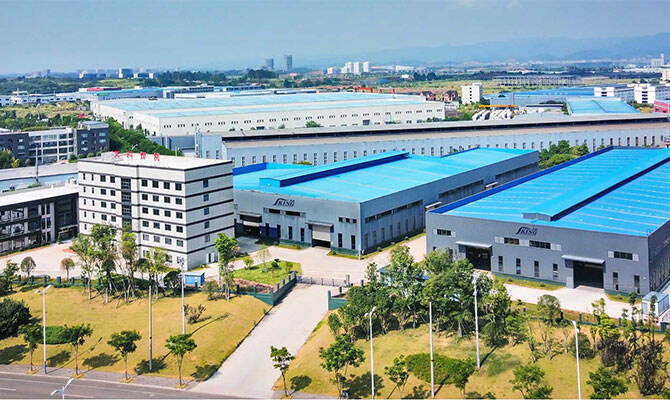
Since 1991, China IKING Industrial Group has been at the forefront of advanced welding technology. With a global presence and over 30 years of experience, we offer innovative solutions in submerged arc welding, electroslag welding, and stud welding. Our high-performance machines have empowered over 100 countries and key industries such as wind energy, shipbuilding, rail transport, and heavy machinery.
RM801-822, Hongxing Building 3, Linke West Road, Hedong District, Tianjin, China
Copyright © 2026 China IKING Industrial Group Co., Ltd. All right reserved Privacy Policy
 EN
EN