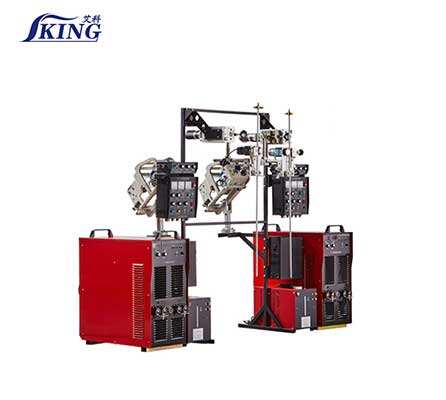
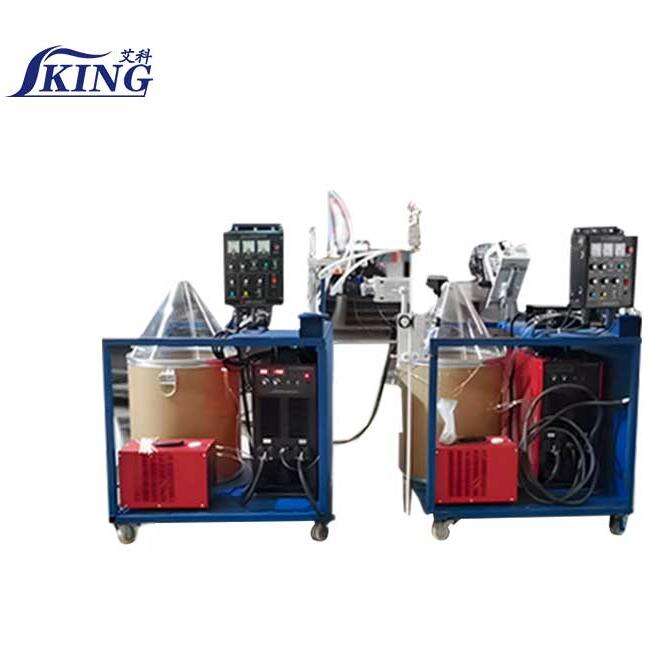
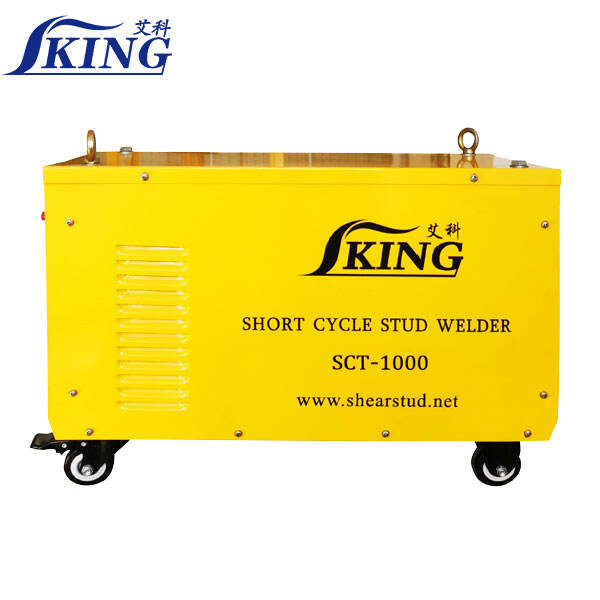
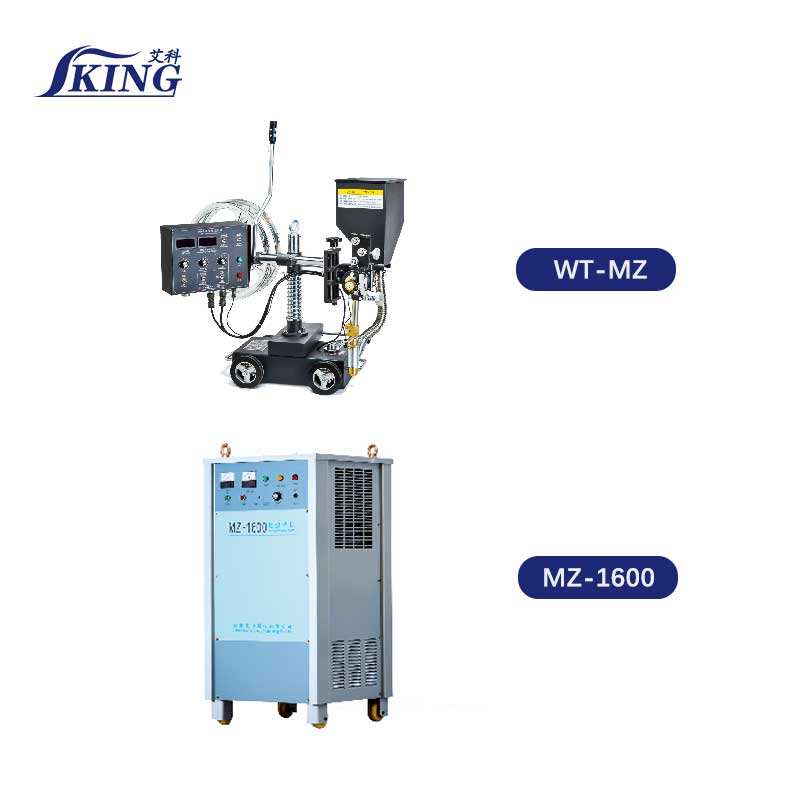
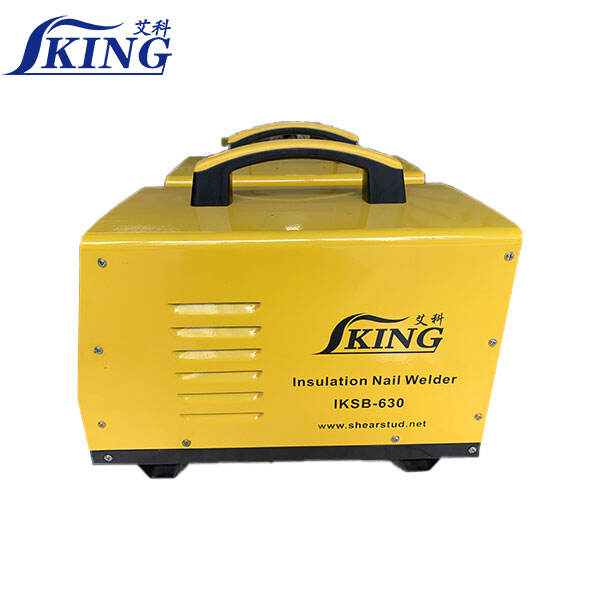
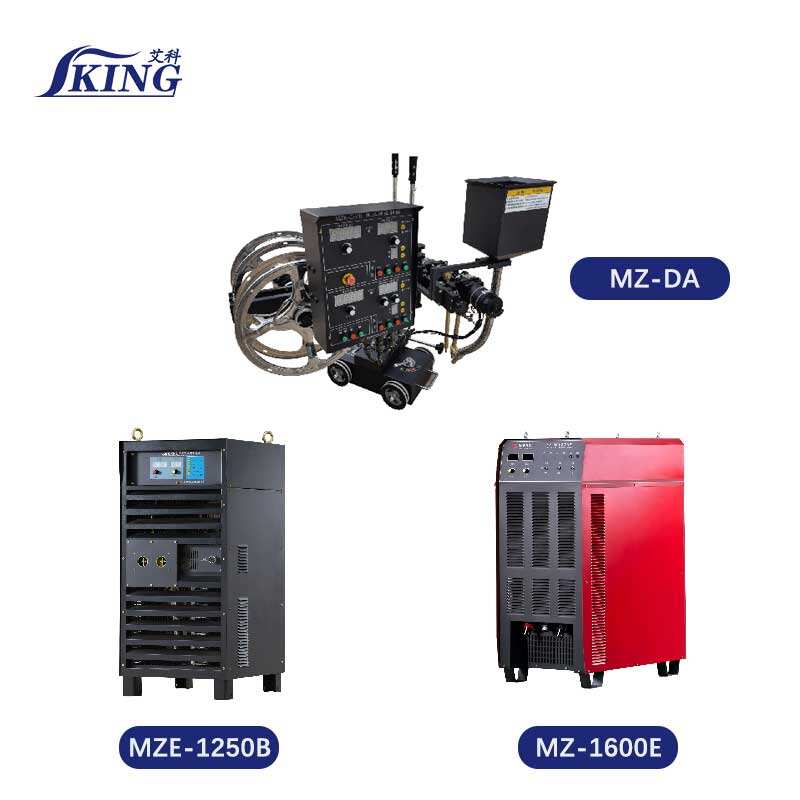
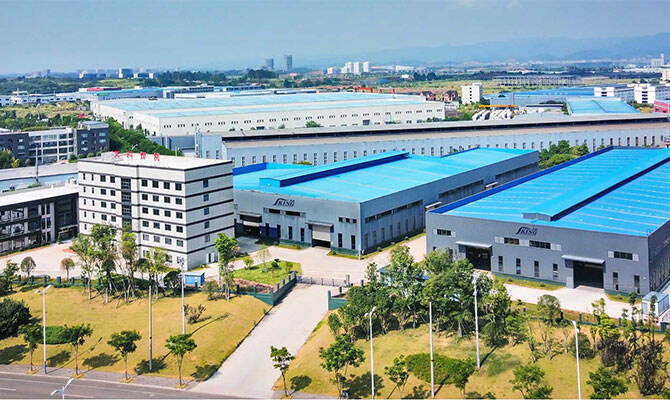
Modern manufacturing demands precision, efficiency, and reliability, particularly when it comes to structural steel fabrication. A high-quality box beam welding machine represents the cornerstone of successful metal fabrication operations, enabling manufacturers to create robust, dimensionally accurate box beams for construction, infrastructure, and industrial applications. These sophisticated systems have evolved significantly over the past decade, incorporating advanced automation, enhanced safety features, and improved welding technologies that deliver superior results while reducing operational costs.
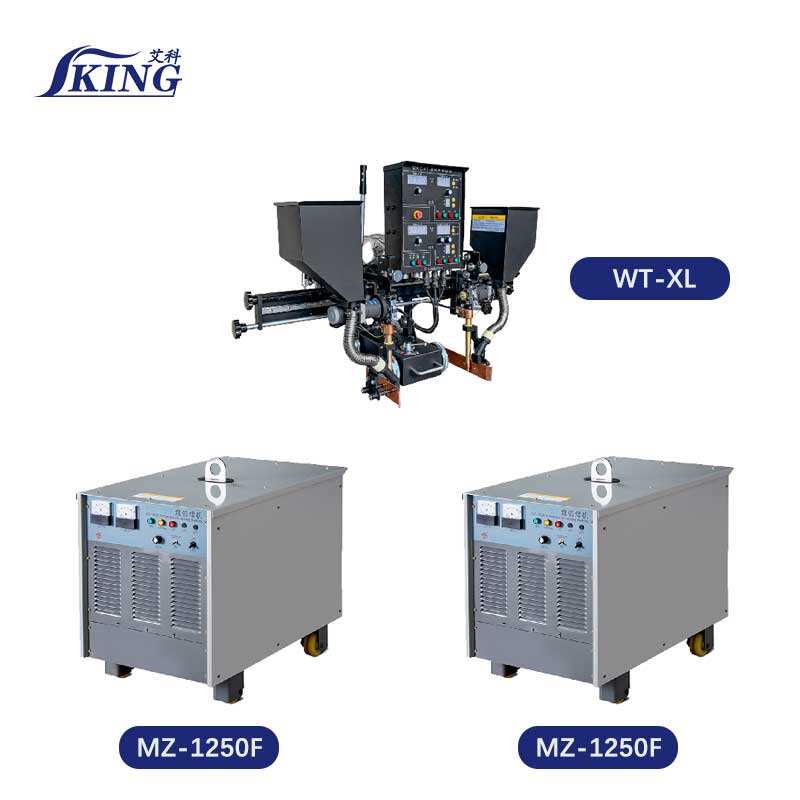
The selection of an appropriate welding system directly impacts production throughput, weld quality, and overall profitability. Understanding the essential features and capabilities of modern equipment ensures that manufacturers make informed decisions that align with their specific operational requirements. From automated positioning systems to advanced control interfaces, today's box beam welding machine options offer unprecedented levels of sophistication and performance.
Advanced programmable logic controllers serve as the brain of modern welding systems, enabling precise control over every aspect of the welding process. These sophisticated control systems allow operators to program complex welding sequences, adjust parameters in real-time, and maintain consistent quality across multiple production runs. The integration of user-friendly touch screen interfaces simplifies operation while providing comprehensive monitoring capabilities.
Contemporary box beam welding machine systems feature intuitive software platforms that enable operators to create, modify, and store welding programs with minimal training. These systems typically include pre-programmed templates for common beam configurations, reducing setup time and minimizing the potential for operator error. Advanced diagnostic capabilities provide real-time feedback on system performance, enabling proactive maintenance and troubleshooting.
Precision positioning systems represent a critical component of modern welding equipment, ensuring accurate alignment and consistent weld placement throughout the fabrication process. These systems typically incorporate servo-driven mechanisms that provide smooth, precise movement across multiple axes, enabling complex welding sequences that would be impossible to achieve manually.
Material handling automation significantly reduces labor requirements while improving safety and consistency. Modern systems can automatically load, position, and rotate workpieces, allowing for continuous operation and minimizing manual intervention. This level of automation is particularly valuable when working with heavy structural components that require precise positioning for optimal weld quality.
Submerged arc welding technology offers significant advantages for box beam fabrication, including deep penetration, high deposition rates, and excellent weld quality. A quality box beam welding machine equipped with submerged arc capabilities can achieve superior results in heavy structural applications where strength and reliability are paramount.
The submerged arc process provides exceptional control over heat input and weld penetration, making it ideal for thick section welding applications commonly encountered in box beam fabrication. Modern systems incorporate multiple welding heads that can operate simultaneously, significantly increasing production rates while maintaining consistent quality standards.
Versatility in welding processes enables manufacturers to handle diverse project requirements without investing in multiple specialized systems. Contemporary welding equipment often supports multiple welding processes, including gas metal arc welding, flux-cored arc welding, and submerged arc welding, providing flexibility for various material types and thicknesses.
Process switching capabilities allow operators to adapt quickly to changing production requirements, maximizing equipment utilization and reducing downtime. Advanced systems can automatically adjust parameters when switching between processes, ensuring optimal results regardless of the selected welding method.
Modern box beam welding machine designs prioritize operator safety through comprehensive safety systems that exceed industry standards. Emergency stop systems, safety interlocks, and protective enclosures ensure safe operation while maintaining productivity. Light curtains and presence sensing devices prevent accidental contact with moving components during operation.
Fume extraction systems integrated into the welding platform protect operators from harmful welding emissions while maintaining a clean working environment. Advanced ventilation designs capture fumes at the source, preventing accumulation and ensuring compliance with occupational health and safety regulations.
Real-time quality monitoring systems track critical welding parameters throughout the fabrication process, providing immediate feedback on weld quality and consistency. These systems typically include arc monitoring, wire feed rate tracking, and thermal monitoring capabilities that ensure optimal welding conditions are maintained.
Comprehensive data logging capabilities enable manufacturers to maintain detailed production records for quality assurance and traceability purposes. Advanced systems can generate automatic reports documenting welding parameters, production statistics, and quality metrics, supporting continuous improvement initiatives and regulatory compliance requirements.
Achieving precise dimensional accuracy requires sophisticated measurement and control systems that monitor and adjust positioning throughout the welding process. Modern box beam welding machine systems incorporate laser measurement systems, linear encoders, and precision actuators that ensure consistent dimensional accuracy across production runs.
Thermal distortion control systems actively monitor and compensate for heat-induced dimensional changes during welding, maintaining tight tolerances even when working with complex geometries or varying material thicknesses. These systems can predict and prevent distortion through intelligent heat input management and strategic welding sequence optimization.
Robust fixture systems provide secure workpiece positioning while allowing for thermal expansion and contraction during the welding process. Modern clamping systems incorporate pneumatic or hydraulic actuation for consistent clamping force and rapid setup changes between different beam configurations.
Modular fixture designs enable quick reconfiguration for different beam sizes and configurations, minimizing changeover time and maximizing production flexibility. Self-centering mechanisms ensure consistent positioning regardless of material variations or tolerance stack-up.
Modern welding systems achieve significantly higher travel speeds compared to traditional equipment while maintaining superior weld quality. Advanced wire feeding systems, optimized power sources, and sophisticated process control enable sustained high-speed operation without compromising weld integrity.
Tandem welding configurations available in advanced box beam welding machine systems can double or triple production rates by employing multiple welding arcs simultaneously. These systems require sophisticated coordination between power sources and precise wire feeding to maintain consistent quality at high production rates.
Integrated material handling systems streamline the production process by automating workpiece loading, positioning, and unloading operations. Conveyor systems, robotic handling equipment, and automated storage solutions can be seamlessly integrated with the welding system to create fully automated production lines.
Inventory management systems track material usage, monitor consumable levels, and schedule maintenance activities to minimize production interruptions. These systems can automatically reorder supplies and schedule maintenance based on production schedules and historical usage patterns.
Advanced diagnostic systems continuously monitor critical system components, identifying potential issues before they result in unplanned downtime. Vibration monitoring, temperature sensing, and wear detection systems provide early warning of component degradation, enabling scheduled maintenance during planned downtime periods.
Remote monitoring capabilities allow service technicians to diagnose issues remotely, reducing response times and minimizing production disruptions. Cloud-based diagnostic platforms can analyze system performance data and recommend optimized maintenance schedules based on actual operating conditions.
Modular system architecture facilitates rapid component replacement and system upgrades, minimizing downtime and extending equipment life. Standardized interfaces and plug-and-play components enable field technicians to perform most maintenance tasks quickly and efficiently.
Comprehensive spare parts availability and strategic parts inventory management ensure that critical components are readily available when needed. Many manufacturers offer parts kits and maintenance packages that include all necessary components for scheduled maintenance activities.
The selection of appropriate system size and capacity depends on several key factors including maximum beam dimensions, material thickness requirements, production volume expectations, and available facility space. Consider the largest beams you plan to fabricate, typical production runs, and future growth projections when evaluating capacity requirements. Additionally, factor in material handling capabilities, power supply requirements, and integration with existing production equipment to ensure optimal system sizing.
Advanced welding systems minimize operator variability through automated parameter control, pre-programmed welding sequences, and comprehensive quality monitoring systems. Standardized operating procedures, integrated training modules, and real-time feedback systems help ensure consistent results regardless of operator experience level. Many systems include skill-level adjustments that can adapt complexity based on operator capabilities while maintaining quality standards.
Modern welding systems typically require scheduled maintenance including wire feeding system cleaning, torch component replacement, and mechanical system lubrication. Preventive maintenance schedules generally include daily operator checks, weekly system inspections, and monthly comprehensive maintenance activities. Advanced systems provide automated maintenance reminders and diagnostic feedback to optimize maintenance timing and minimize unexpected downtime.
ROI evaluation should consider factors including increased production capacity, improved quality consistency, reduced labor requirements, and decreased rework costs. Calculate potential savings from automated operation, reduced material waste, and improved throughput rates compared to existing equipment. Additionally, consider long-term benefits such as enhanced competitive capabilities, improved safety records, and reduced maintenance costs when evaluating the total economic impact of system upgrades.
 Hot News
2026-04-09
2026-04-08
2026-04-07
2026-02-26
2026-02-19
2026-02-18

Since 1991, China IKING Industrial Group has been at the forefront of advanced welding technology. With a global presence and over 30 years of experience, we offer innovative solutions in submerged arc welding, electroslag welding, and stud welding. Our high-performance machines have empowered over 100 countries and key industries such as wind energy, shipbuilding, rail transport, and heavy machinery.
RM801-822, Hongxing Building 3, Linke West Road, Hedong District, Tianjin, China
Copyright © 2026 China IKING Industrial Group Co., Ltd. All right reserved Privacy Policy
 EN
EN