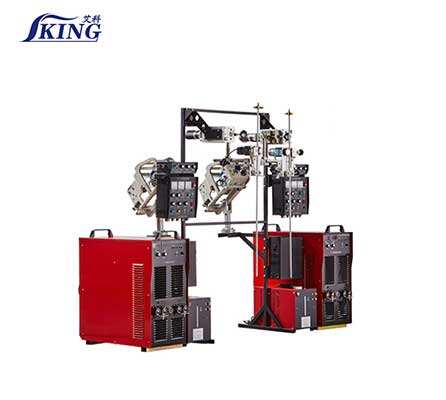
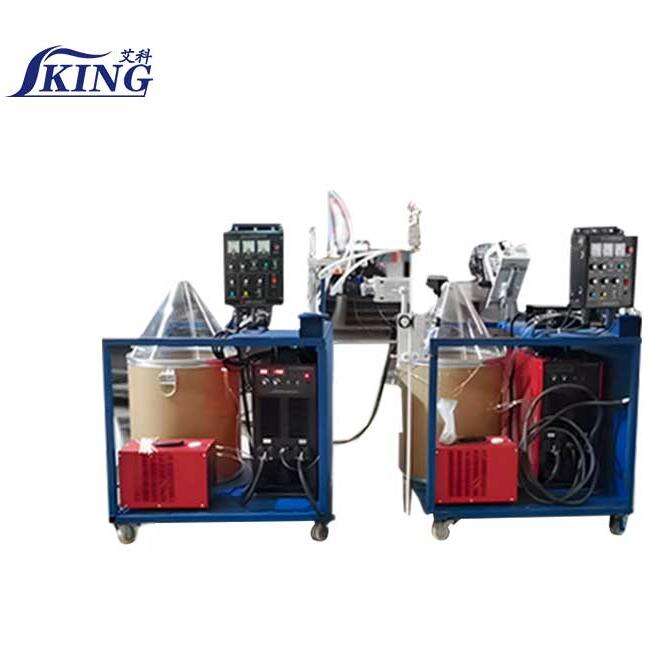
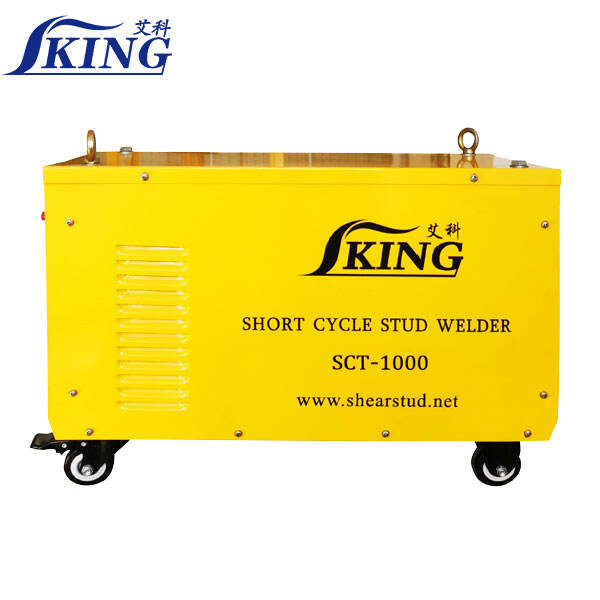
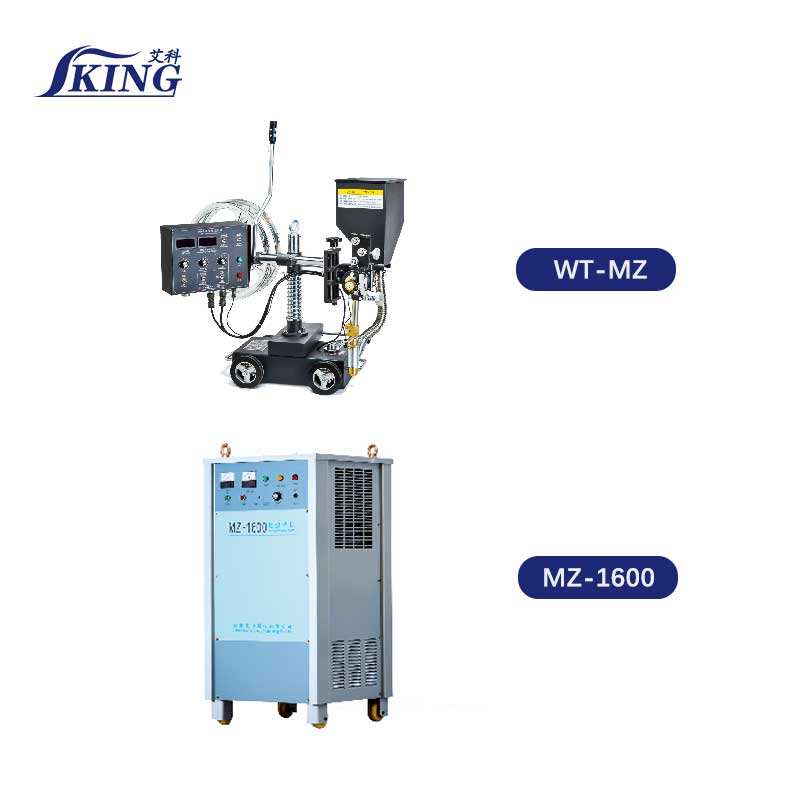
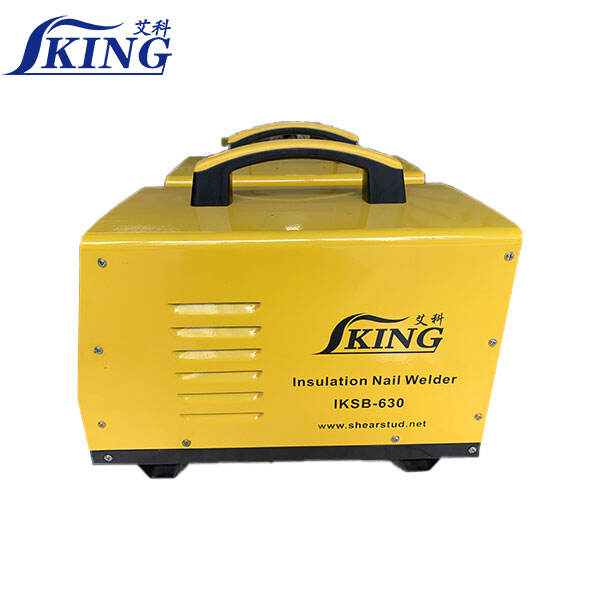
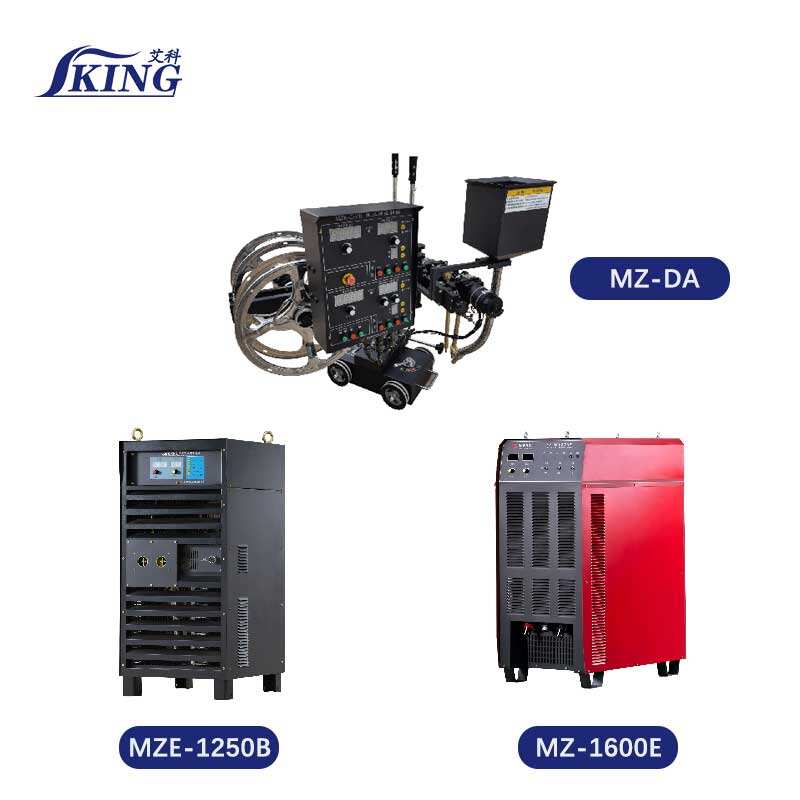
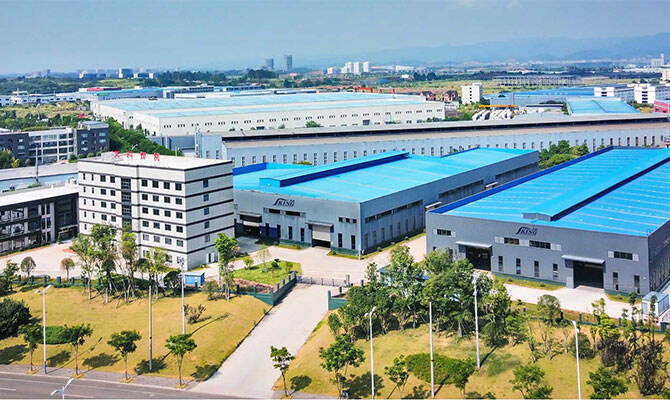
In the competitive landscape of structural steel fabrication, manufacturers face a critical decision when selecting welding methods for box beam construction. The choice between automated box beam welding machine systems and traditional manual welding approaches significantly impacts production efficiency, quality consistency, and long-term profitability. This comprehensive analysis examines the fundamental differences between these methodologies, providing industry professionals with essential insights for making informed investment decisions in modern fabrication environments.
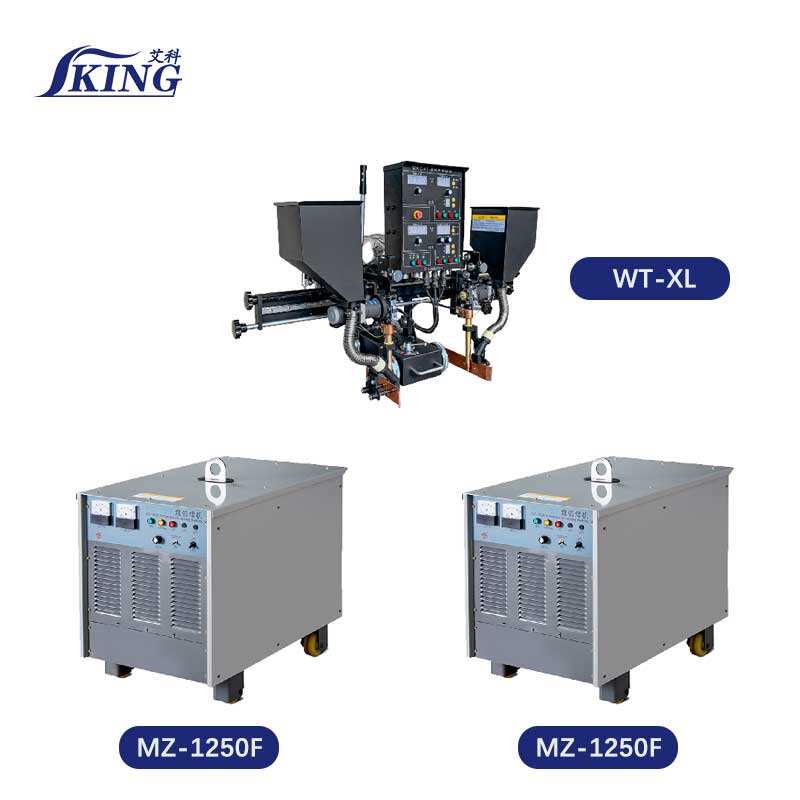
The evolution of welding technology has transformed how fabricators approach box beam production, with automated solutions offering unprecedented precision and consistency. Understanding the technical specifications, operational advantages, and economic implications of each approach enables manufacturers to optimize their production strategies while maintaining competitive positioning in demanding market conditions.
Automated box beam welding machine systems deliver exceptional precision through computer-controlled positioning and consistent arc characteristics. These machines maintain uniform heat input, travel speed, and electrode positioning throughout the welding process, resulting in consistent penetration depth and bead geometry across entire production runs. The precision achieved through automated systems typically exceeds AWS D1.1 structural welding code requirements with minimal variation.
Manual welding quality depends heavily on individual welder skill levels, fatigue factors, and environmental conditions. While experienced welders can produce high-quality results, maintaining consistent standards across multiple operators and extended production periods presents significant challenges. Quality variations in manual welding often require additional inspection resources and potential rework procedures.
The repeatability factor strongly favors automated systems, with box beam welding machine technology ensuring identical weld characteristics regardless of production volume or timing. This consistency proves particularly valuable for critical structural applications where weld integrity directly impacts safety and performance requirements.
Production throughput represents a fundamental advantage of automated welding systems. A typical box beam welding machine can complete full-length seam welds at speeds ranging from 800 to 1500 millimeters per minute, depending on material thickness and joint configuration. This consistent operating speed eliminates the productivity variations associated with manual welding techniques.
Manual welding speeds vary significantly based on welder proficiency, joint accessibility, and position requirements. Average manual welding speeds for similar applications typically range from 150 to 400 millimeters per minute, representing a substantial productivity differential compared to automated alternatives. Additionally, manual welding requires more frequent interruptions for electrode changes and repositioning activities.
The continuous operation capability of automated systems enables 24-hour production cycles with minimal supervision, maximizing equipment utilization rates. This operational advantage becomes increasingly significant for high-volume production environments where throughput directly correlates with profitability margins.
The capital investment for a comprehensive box beam welding machine system typically ranges from $150,000 to $500,000, depending on automation level, size capacity, and integrated features. This initial investment includes the welding equipment, positioning systems, control software, and installation requirements necessary for full operational capability.
Manual welding setup costs appear significantly lower initially, requiring basic welding equipment, protective gear, and workspace preparation totaling $10,000 to $30,000 per welding station. However, this comparison overlooks the ongoing labor costs, training investments, and quality control expenses associated with manual operations over extended periods.
The return on investment calculation must consider long-term operational savings, productivity improvements, and quality consistency benefits that automated systems provide. Many fabricators achieve complete cost recovery within 18 to 36 months through enhanced efficiency and reduced rework expenses.
Operating expenses for box beam welding machine systems primarily consist of electrical consumption, consumable materials, and periodic maintenance requirements. The predictable nature of these costs enables accurate production budgeting and cost-per-unit calculations that remain stable across varying production volumes.
Manual welding operations involve substantial labor costs, including wages, benefits, training expenses, and productivity variations due to human factors. Skilled welders command premium wages, and maintaining adequate staffing levels during peak production periods often requires overtime compensation or temporary workforce expansion.
The consumable efficiency of automated systems typically exceeds manual welding by 15-25%, as precise control systems optimize wire feed rates and minimize waste. This efficiency improvement compounds over high-volume production cycles, contributing significantly to overall cost reduction objectives.
Automated box beam welding machine systems dramatically reduce common welding defects through precise parameter control and consistent execution. Porosity, lack of fusion, and dimensional variations occur less frequently with automated systems, reducing inspection time and rework expenses. Statistical process control capabilities enable real-time monitoring and adjustment of welding parameters to maintain optimal quality standards.
Manual welding quality depends on individual operator skill and consistency, creating potential for human error and quality variations. Common manual welding challenges include inconsistent penetration, irregular bead appearance, and dimensional deviations that require additional inspection resources and corrective measures.
The documentation capabilities of modern automated systems provide comprehensive weld parameter records, enabling traceability and quality assurance compliance for critical applications. This documentation proves invaluable for quality certifications and customer requirements in regulated industries.
Achieving consistent compliance with industry standards becomes significantly easier with automated welding systems. Box beam welding machine technology ensures repeatable results that meet or exceed AWS, AISC, and international welding standards without the variability associated with manual techniques. Automated systems can be programmed to execute specific welding procedures that guarantee standard compliance.
Manual welding certification requires ongoing welder qualification testing and documentation to maintain compliance with applicable codes. The human factor introduces potential for inconsistency, requiring more extensive quality assurance procedures and testing protocols to ensure standard compliance across all production activities.
The ability to store and recall proven welding procedures in automated systems eliminates the learning curve associated with new projects or specification changes. This capability ensures immediate compliance with customer requirements without the trial-and-error period often required with manual welding approaches.
Modern box beam welding machine systems offer exceptional flexibility for varying production requirements through programmable controls and adjustable parameters. These systems can accommodate different beam sizes, material thicknesses, and joint configurations without significant setup time or additional equipment investments.
Manual welding provides inherent flexibility for custom applications and prototype work, allowing immediate adaptation to unique requirements without programming or setup procedures. This flexibility proves valuable for job shops handling diverse customer specifications and one-off projects requiring specialized attention.
The scalability advantage of automated systems becomes apparent during production expansion phases. Additional automated capacity can be added incrementally without the training time and skill development requirements associated with expanding manual welding operations.
Automated box beam welding machine operations require fewer skilled operators, reducing dependency on specialized welding personnel. The operator training period for automated systems typically ranges from one to three weeks, compared to years of experience required for proficient manual welding capabilities.
The current shortage of skilled welders in many markets creates additional challenges for manual welding operations. Recruiting and retaining qualified welding personnel often involves premium compensation packages and extended training periods that impact operational costs and scheduling flexibility.
Automated systems provide operational continuity that reduces vulnerability to workforce fluctuations, sick leave, and personnel turnover that commonly affect manual welding production schedules. This stability enables more reliable delivery commitments and customer service levels.
Box beam welding machine systems significantly reduce operator exposure to welding fumes, intense light, and repetitive stress injuries associated with manual welding positions. Automated systems typically operate within enclosed environments with appropriate ventilation and safety systems that protect personnel from occupational hazards.
Manual welding exposes operators to various health risks including respiratory hazards from welding fumes, eye strain from arc exposure, and musculoskeletal injuries from awkward working positions. These exposure risks require comprehensive safety equipment, training programs, and ongoing health monitoring procedures.
The reduced physical demands of operating automated systems enable longer productive work periods without fatigue-related quality degradation or safety concerns. This advantage contributes to overall workplace safety records and worker satisfaction levels.
Automated welding systems often qualify for reduced insurance premiums due to lower accident rates and improved safety performance statistics. The enclosed operation and reduced human interaction with hazardous processes create favorable risk profiles for insurance providers and regulatory compliance.
Manual welding operations require extensive safety protocols, personal protective equipment, and training programs to meet OSHA and industry safety standards. The ongoing costs of safety compliance and potential liability exposure represent significant operational considerations for manual welding approaches.
The environmental benefits of automated systems include reduced consumable waste, improved energy efficiency, and better containment of welding byproducts. These advantages support corporate sustainability initiatives and environmental compliance objectives increasingly important in modern manufacturing environments.
The break-even analysis depends on production volume, labor costs, quality requirements, and operational efficiency gains. Most fabricators achieve cost recovery within 18-36 months based on productivity improvements, reduced labor expenses, and quality consistency benefits. High-volume operations typically see faster returns due to maximum utilization of automated capabilities.
Modern box beam welding machine systems handle most standard joint configurations effectively through programmable controls and multi-axis positioning. However, highly complex or irregular geometries may still require manual welding flexibility. The key is matching the automation level to the specific joint requirements and production volumes involved in each application.
Operators typically require 1-3 weeks of training to become proficient with automated box beam welding machine systems, focusing on equipment operation, programming basics, and quality monitoring procedures. This training period is significantly shorter than the years required to develop skilled manual welding capabilities, making workforce transition relatively straightforward for most organizations.
Automated systems consistently exceed the quality standards achievable through manual welding due to precise parameter control and elimination of human variability factors. While skilled welders can produce excellent results, maintaining consistent quality across multiple operators and extended production periods proves challenging compared to the repeatable precision of automated systems.
 Hot News
2026-04-09
2026-04-08
2026-04-07
2026-02-26
2026-02-19
2026-02-18

Since 1991, China IKING Industrial Group has been at the forefront of advanced welding technology. With a global presence and over 30 years of experience, we offer innovative solutions in submerged arc welding, electroslag welding, and stud welding. Our high-performance machines have empowered over 100 countries and key industries such as wind energy, shipbuilding, rail transport, and heavy machinery.
RM801-822, Hongxing Building 3, Linke West Road, Hedong District, Tianjin, China
Copyright © 2026 China IKING Industrial Group Co., Ltd. All right reserved Privacy Policy
 EN
EN