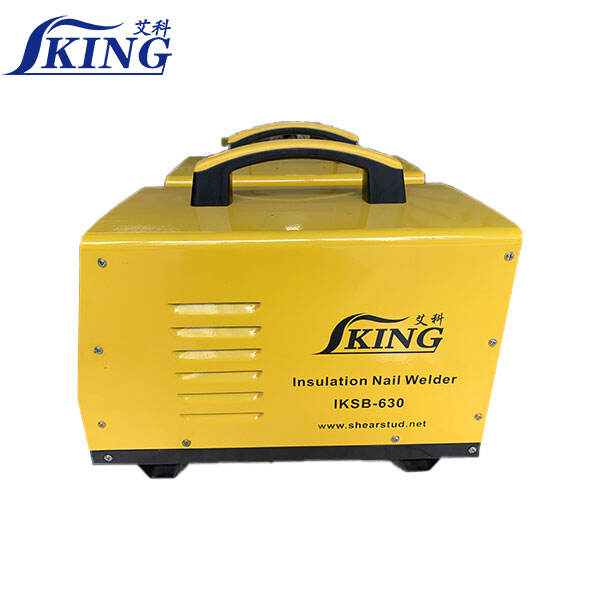
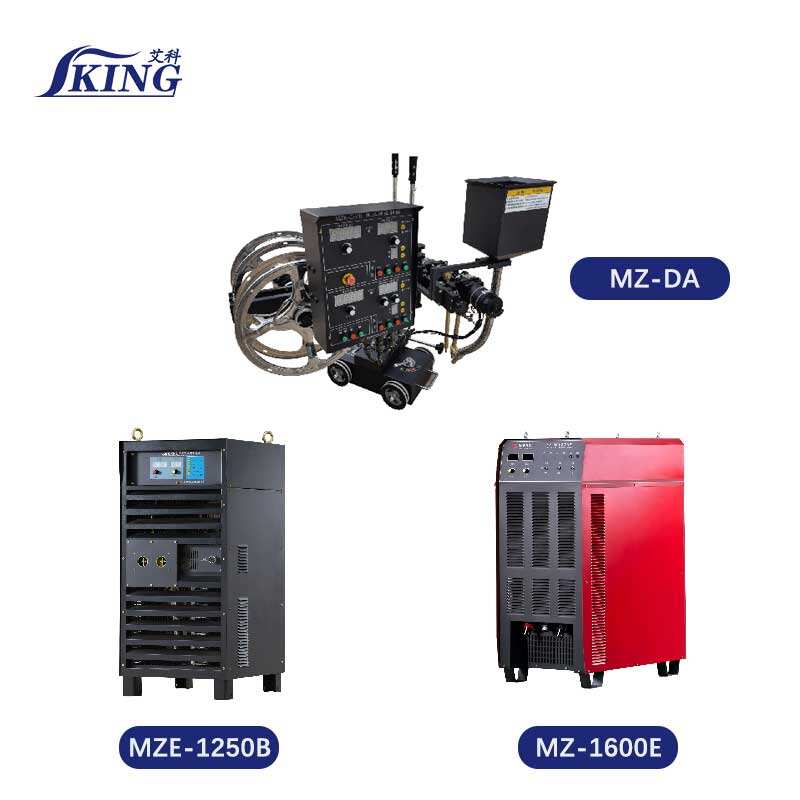
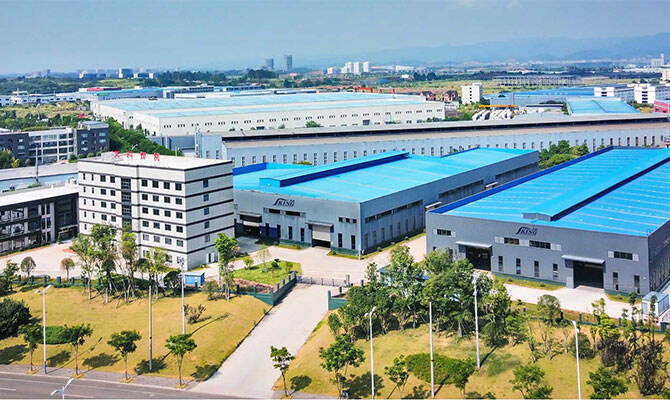
The structural fabrication industry continues to evolve with advanced welding technologies that enhance productivity, precision, and quality. Among these innovations, Box Beam Welders have emerged as game-changing equipment for manufacturing heavy structural components. These automated systems streamline the welding process for box beams, H-beams, and other critical structural elements used in construction, shipbuilding, and infrastructure projects. Modern fabrication facilities increasingly rely on these sophisticated machines to meet demanding production schedules while maintaining exceptional weld quality standards.
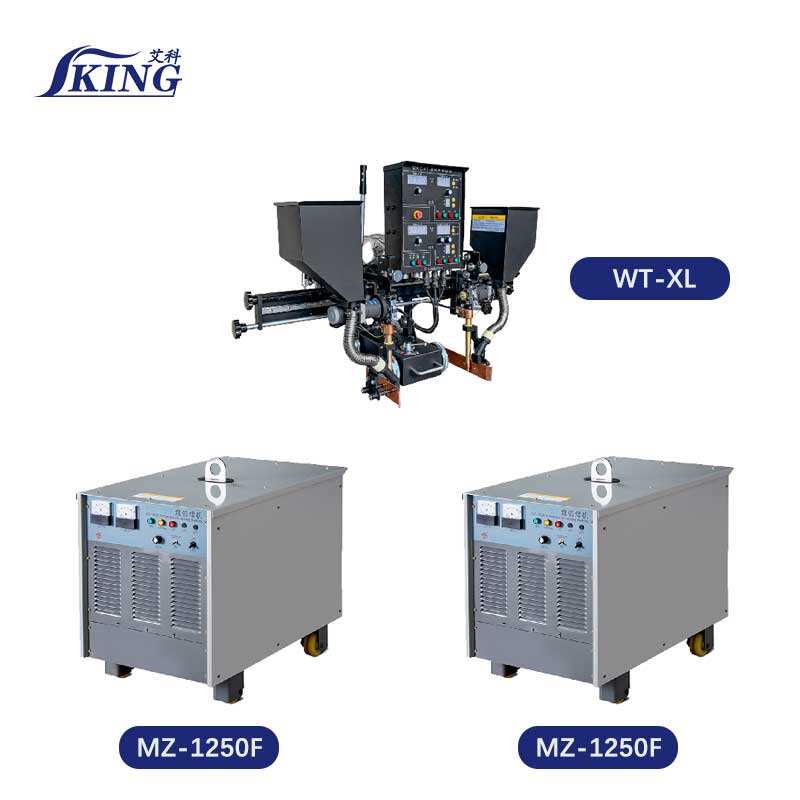
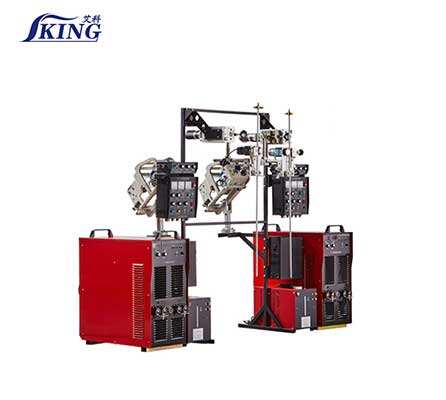
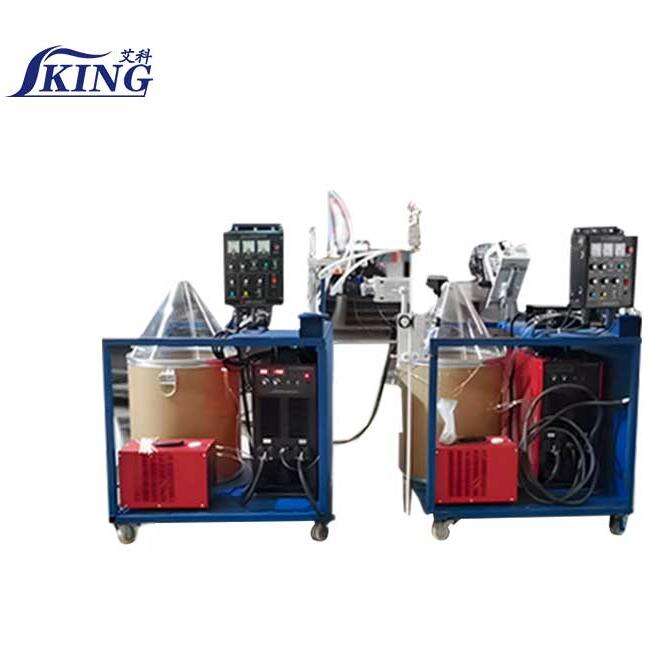
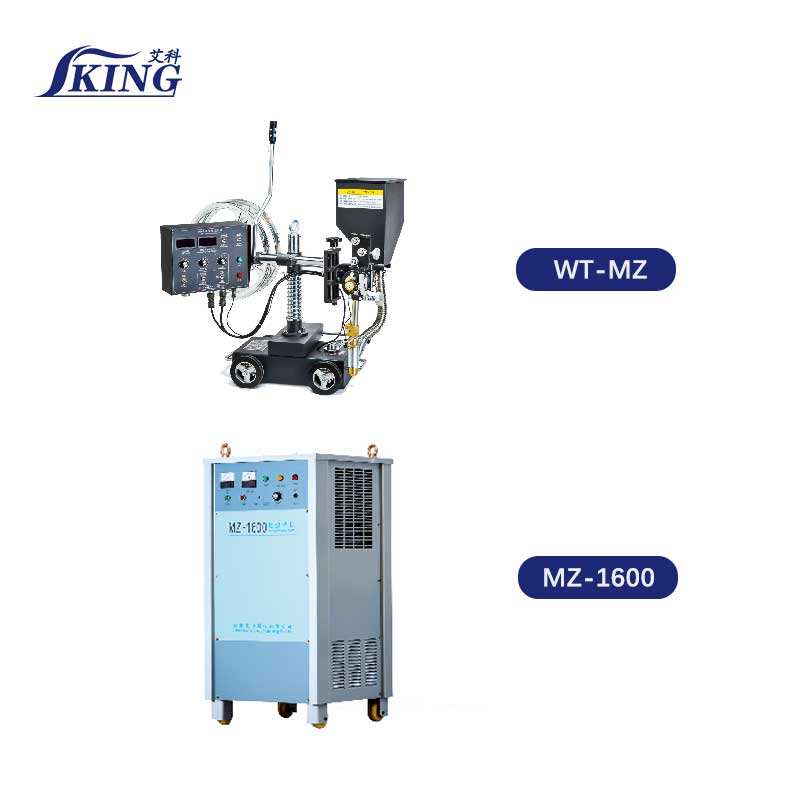
Box Beam Welders incorporate sophisticated engineering principles to automate the welding of structural steel components. These systems typically feature multiple welding heads positioned to simultaneously weld both sides of a beam assembly. The machinery utilizes submerged arc welding technology, which provides deep penetration and high deposition rates essential for structural applications. Advanced control systems monitor welding parameters in real-time, ensuring consistent quality across every weld joint.
The positioning systems within Box Beam Welders enable precise alignment of workpieces, while automated flux feeding mechanisms maintain optimal welding conditions throughout the process. Heavy-duty conveyance systems transport large structural components through the welding stations, accommodating beams of various sizes and configurations. These integrated features work together to create a seamless production environment that minimizes manual intervention while maximizing output quality.
Modern Box Beam Welders employ advanced welding techniques that optimize heat input and penetration characteristics. The submerged arc process used in these systems creates a protective flux blanket that shields the weld pool from atmospheric contamination. This results in superior weld quality with minimal spatter and excellent mechanical properties in the finished joints. Parameter control systems automatically adjust voltage, current, and travel speed based on material thickness and joint configuration.
The multi-head welding capability of Box Beam Welders enables simultaneous welding operations on multiple joints, significantly reducing cycle times compared to traditional single-pass methods. Adaptive welding controls respond to variations in fit-up and material properties, maintaining consistent penetration and bead geometry throughout the welding sequence. These technological advances ensure that structural components meet stringent quality standards required for critical applications.
Box Beam Welders deliver substantial productivity improvements through automated operation and reduced setup times. These systems can process multiple beam assemblies per hour, depending on size and complexity, compared to manual welding methods that require significantly longer completion times. The continuous operation capability allows fabrication shops to maintain consistent production schedules while reducing labor costs associated with manual welding operations.
The automated nature of Box Beam Welders eliminates many time-consuming manual tasks such as electrode changes, flux application, and position adjustments. Integrated material handling systems move workpieces through the welding stations without operator intervention, creating a streamlined production flow. This automation enables fabrication facilities to operate with smaller crew sizes while achieving higher output volumes than traditional welding methods.
Automated Box Beam Welders maintain exceptional consistency in weld quality across production runs. The computerized control systems eliminate human variables that can affect weld penetration, bead shape, and overall joint integrity. This consistency is particularly valuable in structural fabrication where weld quality directly impacts the safety and performance of finished structures. Quality control becomes more predictable and manageable when using automated welding systems.
The repeatability achieved with Box Beam Welders reduces the need for extensive post-weld inspection and rework activities. Standardized welding procedures programmed into the control systems ensure that every beam receives identical treatment regardless of operator skill level or fatigue factors. This reliability translates to reduced quality control costs and shorter delivery times for completed structural components.
Advanced Box Beam Welders feature comprehensive parameter control systems that manage all aspects of the welding process. These systems monitor and adjust welding current, arc voltage, travel speed, and wire feed rate to maintain optimal welding conditions. Programmable logic controllers store welding procedures for different beam sizes and material specifications, allowing quick changeovers between production runs without lengthy setup procedures.
The control systems in modern Box Beam Welders incorporate feedback mechanisms that detect variations in joint fit-up and automatically compensate to maintain consistent weld quality. Seam tracking technology ensures accurate torch positioning even when dealing with less-than-perfect beam preparations. These sophisticated controls enable the production of high-quality welds on a wide range of structural components with minimal operator oversight.
Box Beam Welders incorporate robust material handling systems designed to accommodate the weight and dimensions of structural steel components. Heavy-duty conveyors transport beams through the welding stations while precision positioning systems ensure accurate alignment for optimal weld joint access. Automated clamping mechanisms secure workpieces during welding operations, preventing movement that could compromise weld quality.
The positioning capabilities of these systems allow for welding in optimal orientations that promote good penetration and minimize welding defects. Rotational fixtures enable all-position welding when required, while adjustable supports accommodate varying beam cross-sections and lengths. This flexibility makes Box Beam Welders suitable for diverse structural fabrication applications across multiple industries.
Box Beam Welders play a crucial role in fabricating structural components for construction and infrastructure projects. These systems produce the welded beams used in building frameworks, bridge structures, and industrial facilities. The high-quality welds created by automated systems meet the stringent requirements of building codes and structural engineering specifications. Fabrication shops serving the construction industry rely on Box Beam Welders to deliver components on schedule while maintaining quality standards.
The ability to process large quantities of standardized beam assemblies makes Box Beam Welders ideal for major construction projects requiring hundreds or thousands of similar components. The consistency achieved through automation ensures that all beams meet identical quality standards, simplifying quality assurance procedures and reducing the risk of structural failures. This reliability is particularly important in seismic zones and other challenging environments where structural integrity is paramount.
The shipbuilding industry extensively utilizes Box Beam Welders for fabricating hull structures and superstructure components. These systems produce the welded assemblies that form the backbone of modern vessels, from commercial ships to naval craft. The deep penetration welds created by submerged arc processes provide the strength and durability required for marine environments. Box Beam Welders enable shipyards to maintain production schedules while ensuring that structural components meet maritime safety standards.
Marine applications demand exceptional weld quality due to the harsh operating conditions vessels encounter. Box Beam Welders deliver the consistent penetration and mechanical properties required for structures subjected to dynamic loading, corrosive environments, and extreme weather conditions. The automated nature of these systems reduces the potential for human error that could compromise structural integrity in critical marine applications.
Investment in Box Beam Welders typically generates positive returns through increased productivity and reduced labor costs. The automation capabilities of these systems allow fabrication shops to process more work with fewer skilled welders, addressing labor shortage challenges while improving profitability. The consistent quality produced by automated welding reduces rework costs and material waste, contributing to improved margins on structural fabrication projects.
The operational efficiency gained through Box Beam Welders enables fabrication facilities to take on larger projects and meet more aggressive delivery schedules. This expanded capacity often leads to increased revenue opportunities and improved competitive positioning in the structural fabrication market. The long-term reliability of automated welding equipment also reduces maintenance costs compared to traditional welding methods that rely heavily on manual operations.
Box Beam Welders reduce operational costs through several mechanisms including decreased consumable usage, reduced energy consumption per weld joint, and minimized post-weld processing requirements. The efficient submerged arc welding process used in these systems maximizes deposition rates while minimizing electrode consumption. Automated flux recovery systems further reduce material costs by recycling unused flux for subsequent welding operations.
The reduced need for skilled welders to operate Box Beam Welders addresses workforce challenges while lowering labor costs. Operators require less specialized training compared to manual welding techniques, making it easier to maintain adequate staffing levels. The consistent quality produced by automated systems also reduces inspection time and eliminates many rework activities that add cost without adding value to the fabrication process.
The evolution of Box Beam Welders continues with integration of smart manufacturing technologies and Industry 4.0 concepts. Modern systems incorporate sensors and data collection capabilities that monitor welding performance and predict maintenance requirements. This connectivity enables fabrication managers to optimize production schedules and prevent unexpected downtime through predictive maintenance strategies.
Artificial intelligence applications are being developed to further enhance the capabilities of Box Beam Welders. These systems can learn from production data to optimize welding parameters automatically and identify potential quality issues before they occur. The integration of machine learning algorithms promises to make automated welding systems even more efficient and reliable in future applications.
Future developments in Box Beam Welders will likely incorporate advanced welding processes such as laser-hybrid welding and improved arc welding variants. These technologies promise even higher welding speeds and better penetration characteristics for structural applications. Research continues into new electrode materials and shielding gas combinations that could enhance the performance of automated welding systems.
The development of more sophisticated seam tracking and adaptive welding controls will further improve the capability of Box Beam Welders to handle variations in workpiece preparation and fit-up. These advances will expand the range of applications where automated welding can be successfully implemented, bringing the benefits of automation to more segments of the structural fabrication industry.
Box Beam Welders are designed to handle a wide variety of structural steel components including H-beams, I-beams, box beams, and built-up girders. These systems can accommodate different cross-sectional shapes and sizes depending on the specific machine configuration. The versatility of modern Box Beam Welders allows them to process components ranging from small architectural beams to large structural members used in bridges and industrial facilities. Most systems can handle beam lengths from several feet to over 100 feet, making them suitable for diverse structural fabrication applications.
Box Beam Welders maintain consistent weld quality through automated parameter control systems that eliminate human variables from the welding process. These systems use programmed welding procedures that maintain optimal current, voltage, travel speed, and wire feed rates for specific material thicknesses and joint configurations. Real-time monitoring and feedback systems detect variations in welding conditions and automatically adjust parameters to maintain consistent penetration and bead geometry. The submerged arc welding process used in these systems provides inherent stability and repeatability that contributes to consistent weld quality.
Box Beam Welders require regular maintenance similar to other automated manufacturing equipment, including routine inspection of welding heads, cleaning of flux handling systems, and replacement of wear components such as contact tips and nozzles. Preventive maintenance schedules typically include lubrication of mechanical components, calibration of control systems, and inspection of electrical connections. Most manufacturers provide detailed maintenance procedures and schedules to ensure optimal performance and longevity of the equipment. The automated nature of these systems often reduces maintenance requirements compared to multiple manual welding stations performing equivalent work.
Box Beam Welders typically provide significant productivity improvements over traditional manual or semi-automatic welding methods. These automated systems can complete welding operations two to five times faster than manual methods, depending on the specific application and component size. The ability to perform simultaneous multi-head welding operations further multiplies productivity gains. Additionally, Box Beam Welders operate continuously without breaks for operator fatigue or shift changes, maximizing utilization of production time. The reduced setup time between different beam sizes and the elimination of many manual handling operations contribute to overall productivity improvements in structural fabrication operations.
 Hot News
2026-04-09
2026-04-08
2026-04-07
2026-02-26
2026-02-19
2026-02-18

Since 1991, China IKING Industrial Group has been at the forefront of advanced welding technology. With a global presence and over 30 years of experience, we offer innovative solutions in submerged arc welding, electroslag welding, and stud welding. Our high-performance machines have empowered over 100 countries and key industries such as wind energy, shipbuilding, rail transport, and heavy machinery.
RM801-822, Hongxing Building 3, Linke West Road, Hedong District, Tianjin, China
Copyright © 2026 China IKING Industrial Group Co., Ltd. All right reserved Privacy Policy
 EN
EN