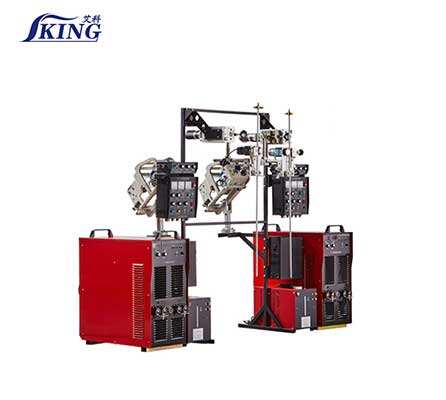
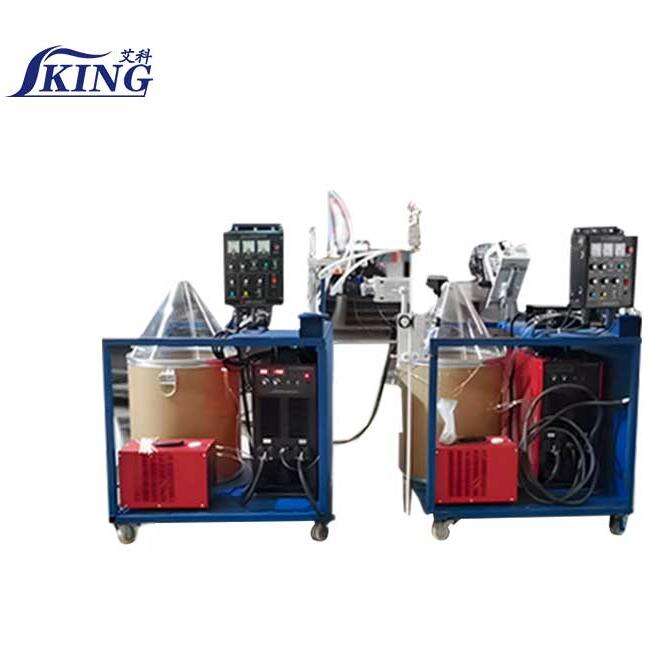
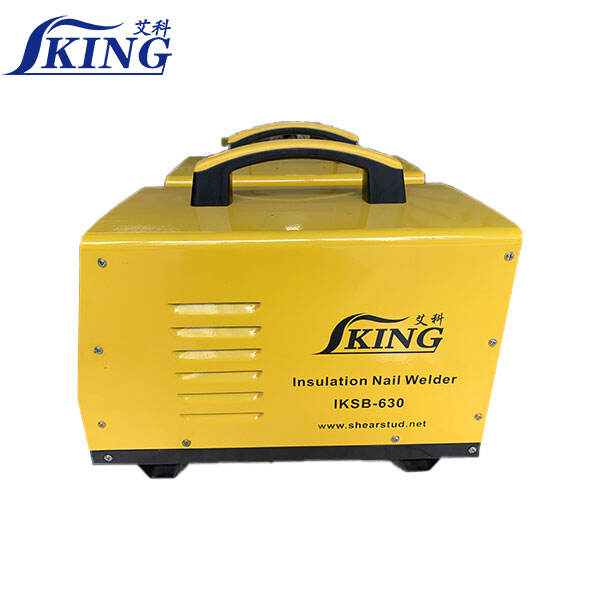
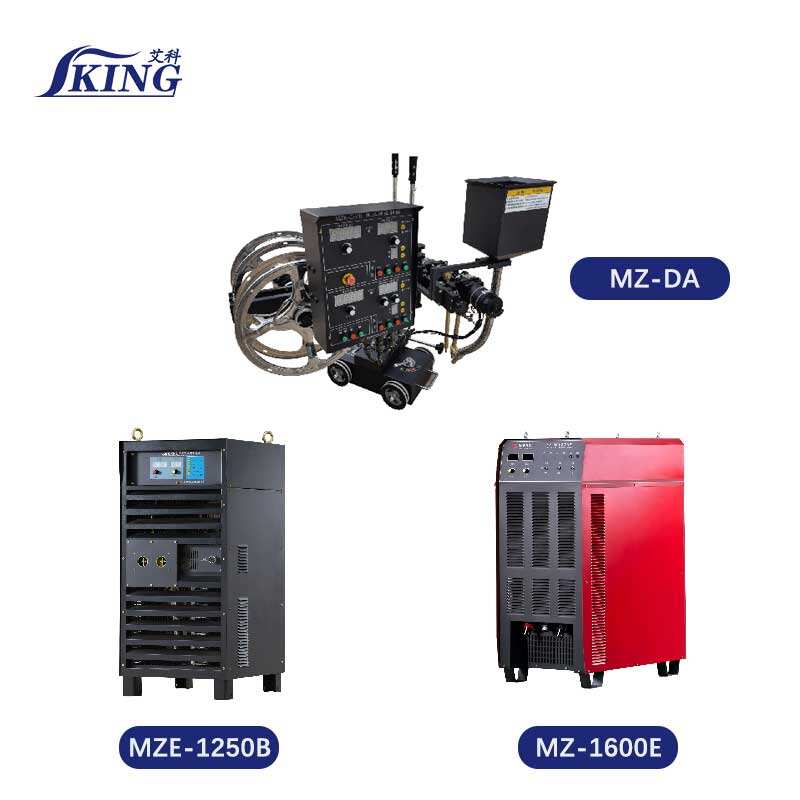
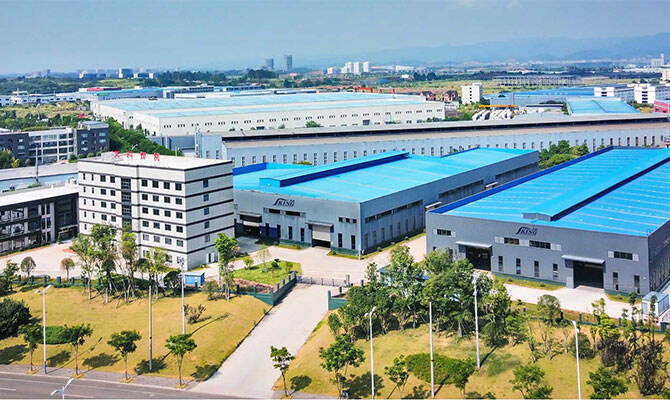
Selecting the right box beam welding machine represents one of the most critical investment decisions for fabrication shops specializing in structural steelwork. These sophisticated systems enable the automated welding of box beams, H-beams, and similar structural components with precision and efficiency that manual welding simply cannot match. The complexity of modern construction projects demands consistent, high-quality welds that meet stringent engineering specifications while maintaining cost-effective production rates.
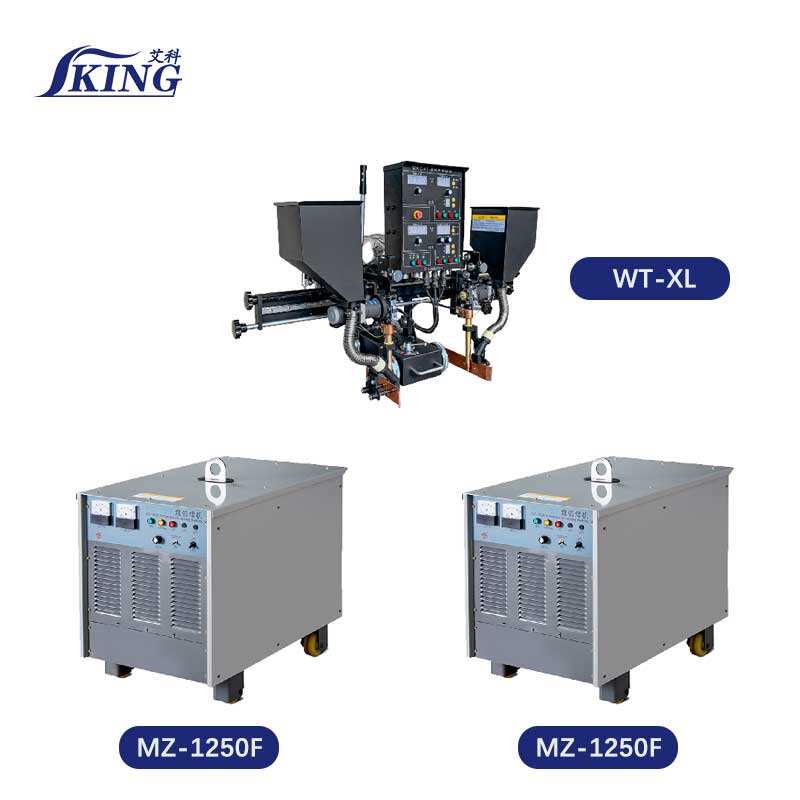
Understanding the technical requirements and operational capabilities of different box beam welding machine configurations is essential for making an informed purchasing decision. Each system offers unique features, welding processes, and automation levels that directly impact productivity, weld quality, and long-term operational costs. The investment in a box beam welding machine extends beyond the initial purchase price to encompass training requirements, maintenance protocols, and integration with existing shop workflows.
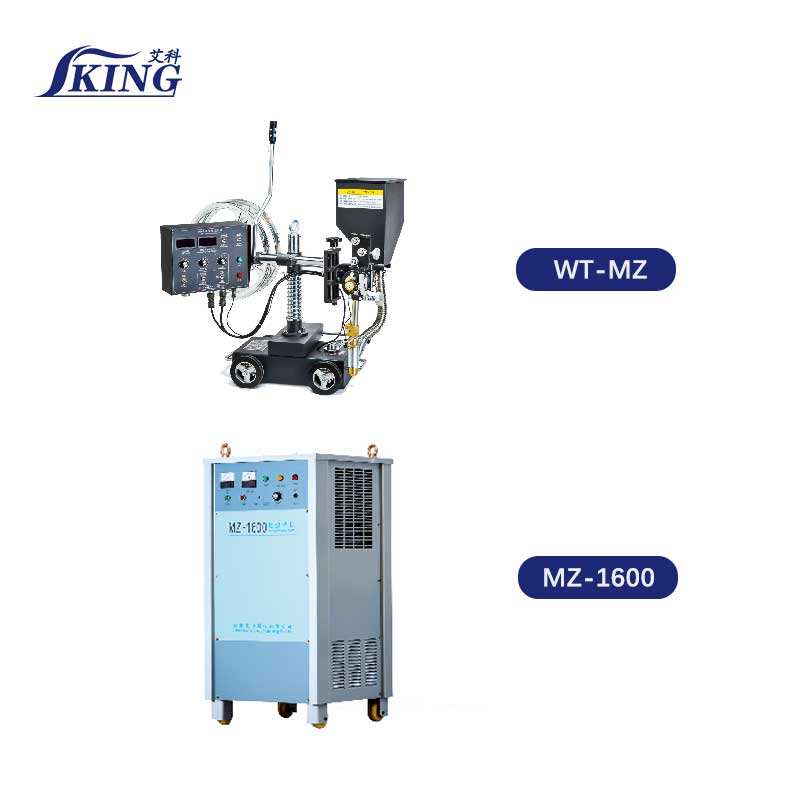
The submerged arc welding (SAW) process forms the foundation of most advanced box beam welding machine systems. This automated welding method utilizes a continuously fed consumable wire electrode that creates an electric arc beneath a blanket of granular flux material. The flux protects the weld pool from atmospheric contamination while providing additional alloying elements that enhance weld metal properties.
Modern box beam welding machine designs incorporate sophisticated wire feeding systems that maintain consistent arc characteristics throughout the welding cycle. The automated nature of SAW allows for high deposition rates and deep penetration, making it ideal for the thick sections commonly found in structural steelwork. Heat input control becomes crucial when welding heavy sections to prevent distortion while ensuring complete joint penetration.
Contemporary box beam welding machine systems offer varying degrees of automation, from semi-automatic units requiring operator intervention to fully automated systems capable of unmanned operation. The control systems integrate programmable logic controllers (PLCs) with human-machine interfaces (HMIs) that allow operators to program welding parameters for different beam configurations and steel grades.
Advanced systems incorporate adaptive welding technologies that monitor arc characteristics in real-time and automatically adjust parameters to maintain optimal weld quality. These intelligent features reduce the skill level required for operators while improving consistency and reducing the likelihood of welding defects. The integration of quality monitoring systems provides immediate feedback on weld penetration and profile characteristics.
The welding capacity of a box beam welding machine determines the range of structural sections that can be processed efficiently. Typical capacity specifications include maximum beam height, width, length, and web thickness capabilities. Understanding the dimensional requirements of your typical workload ensures the selected system can accommodate current production needs while providing flexibility for future expansion.
Material handling capabilities represent another critical specification that affects overall productivity. Systems designed for heavy structural sections require robust gantry systems and precise positioning mechanisms to maintain dimensional accuracy throughout the welding process. The ability to handle varying section sizes without extensive setup changes significantly impacts production efficiency and labor requirements.
Power system specifications for a box beam welding machine typically range from 500 to 1500 amperes, depending on the maximum section thickness and required deposition rates. Multi-wire welding heads allow simultaneous welding of multiple joints, significantly reducing cycle times for complex beam configurations. Understanding power requirements ensures adequate electrical infrastructure is available for optimal system performance.
Welding parameter flexibility allows operators to optimize settings for different steel grades, joint configurations, and quality requirements. Modern systems store parameter sets for commonly welded sections, enabling quick changeover between different production runs. The ability to fine-tune parameters ensures optimal weld quality while maintaining production efficiency targets.
Minimizing setup time between different beam configurations directly impacts the overall productivity of a box beam welding machine installation. Systems designed with quick-change tooling and automated positioning reduce the time required to transition between different section sizes or welding procedures. Consideration of typical production mix helps determine the value of advanced changeover features.
Automated material handling systems can significantly reduce setup time while improving operator safety by eliminating manual positioning of heavy structural sections. Integration with existing crane systems or the inclusion of dedicated material handling equipment should be evaluated based on shop layout and material flow requirements. The reduction in manual handling also contributes to improved workplace safety and reduced risk of material damage.
Built-in quality control features enhance the reliability and consistency of welds produced by a box beam welding machine. Real-time monitoring systems track welding parameters and provide immediate alerts when parameters drift outside acceptable ranges. These systems create documentation trails that support quality assurance requirements and facilitate troubleshooting when issues arise.
Integration with non-destructive testing equipment allows immediate verification of weld quality without disrupting production flow. Ultrasonic testing systems can be incorporated into the welding station to provide immediate feedback on weld soundness and penetration characteristics. This integration reduces the time between welding and quality verification, enabling immediate corrective action when defects are detected.
The capital investment required for a comprehensive box beam welding machine system varies significantly based on automation level, capacity, and included features. Entry-level systems suitable for smaller fabrication shops may require investments starting around $200,000, while fully automated systems capable of handling large structural sections can exceed $1 million.
Financing options and lease arrangements provide flexibility for shops seeking to upgrade their welding capabilities without significant upfront capital requirements. The predictable nature of lease payments helps with cash flow management while preserving capital for other shop improvements. Understanding total cost of ownership, including maintenance, training, and consumable costs, provides a more accurate picture of the long-term financial commitment.
Automated box beam welding machine systems typically reduce direct labor requirements by 60-80% compared to manual welding processes while simultaneously improving weld quality and consistency. The reduction in skilled welder requirements addresses workforce challenges faced by many fabrication shops while improving production predictability. Calculating labor savings based on current wage rates and productivity targets helps justify the investment decision.
Productivity gains extend beyond direct labor savings to include reduced rework, improved material utilization, and faster project completion times. The consistent quality achieved with automated systems reduces inspection time and the likelihood of costly repairs or replacements. These indirect benefits often represent significant value that may not be immediately apparent in initial cost-benefit analyses.
Installing a box beam welding machine requires careful consideration of facility requirements, including floor space, electrical power, ventilation, and material handling capabilities. The foundation requirements for heavy gantry systems may necessitate significant floor modifications to ensure proper machine stability and accuracy. Planning for adequate ventilation addresses both worker safety and equipment longevity concerns.
Electrical infrastructure must accommodate not only the welding power requirements but also auxiliary systems such as material handling, ventilation, and control systems. The installation of adequate three-phase power with appropriate voltage regulation ensures optimal system performance and longevity. Consideration of future expansion needs helps avoid costly electrical upgrades as production requirements grow.
Comprehensive operator training ensures maximum utilization of box beam welding machine capabilities while maintaining safety standards and weld quality. Training programs typically cover system operation, parameter selection, routine maintenance, and troubleshooting procedures. The investment in proper training pays dividends through improved productivity, reduced downtime, and extended equipment life.
Ongoing training requirements address software updates, new welding procedures, and advanced troubleshooting techniques. Establishing relationships with equipment manufacturers or certified training providers ensures access to current information and best practices. Documentation of training completion supports quality system requirements and provides evidence of operator competency.
Implementing comprehensive preventive maintenance programs maximizes the reliability and longevity of box beam welding machine investments. Regular maintenance schedules address lubrication requirements, wear component replacement, and calibration verification to prevent costly breakdowns and maintain welding quality. The complexity of automated systems requires disciplined approaches to maintenance scheduling and documentation.
Predictive maintenance technologies, including vibration monitoring and thermal imaging, help identify potential issues before they result in production disruptions. These advanced monitoring systems provide early warning of component wear or misalignment that could affect weld quality or system reliability. Integration with maintenance management systems facilitates scheduling and tracking of maintenance activities.
Long-term technical support availability represents a critical factor in box beam welding machine selection, particularly for shops operating multiple shifts or serving time-sensitive markets. Manufacturer support capabilities, including remote diagnostics, phone support, and field service availability, directly impact system uptime and productivity. Evaluating support track records and customer references provides insight into long-term support quality.
Parts availability and inventory management strategies help minimize downtime when component replacement becomes necessary. Establishing relationships with parts suppliers and maintaining critical spare parts inventory ensures rapid response to component failures. Understanding parts obsolescence timelines helps plan for future upgrade requirements and ensures continued system supportability.
Welding speed varies significantly based on material thickness, joint configuration, and quality requirements, but typical box beam welding machine systems achieve travel speeds between 20-60 inches per minute. Thicker sections and higher quality requirements generally require slower travel speeds to ensure proper penetration and weld profile. Multi-wire systems can increase effective deposition rates while maintaining appropriate travel speeds for optimal weld quality.
Floor space requirements depend on beam capacity and material handling configuration, but typical installations require 40-80 feet of length and 20-40 feet of width to accommodate the welding system and material staging areas. Additional space is needed for operator access, maintenance activities, and material handling equipment. Vertical clearance requirements typically range from 12-20 feet depending on gantry height and crane interference considerations.
Modern box beam welding machine systems typically accommodate flat, horizontal, and overhead welding positions through automated positioning and rotation capabilities. The ability to rotate beam assemblies allows welding in the most favorable positions for optimal penetration and weld quality. Some advanced systems incorporate multi-axis positioning to optimize welding angles for complex joint geometries and access requirements.
Comprehensive operator training for box beam welding machine systems typically requires 1-2 weeks of initial instruction followed by supervised operation for several additional weeks. The training duration depends on operator experience with automated welding systems and the complexity of the installed equipment. Ongoing refresher training and advanced troubleshooting instruction help maintain operator proficiency and maximize system utilization.
 Hot News
2026-04-09
2026-04-08
2026-04-07
2026-02-26
2026-02-19
2026-02-18

Since 1991, China IKING Industrial Group has been at the forefront of advanced welding technology. With a global presence and over 30 years of experience, we offer innovative solutions in submerged arc welding, electroslag welding, and stud welding. Our high-performance machines have empowered over 100 countries and key industries such as wind energy, shipbuilding, rail transport, and heavy machinery.
RM801-822, Hongxing Building 3, Linke West Road, Hedong District, Tianjin, China
Copyright © 2026 China IKING Industrial Group Co., Ltd. All right reserved Privacy Policy
 EN
EN