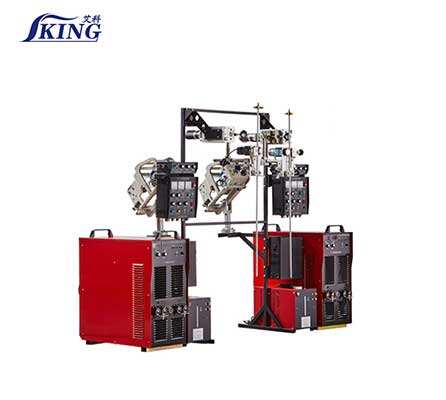
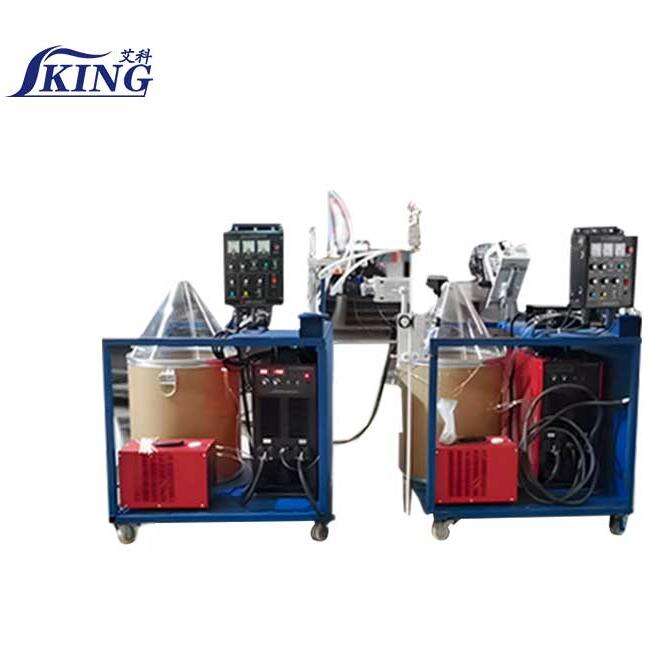
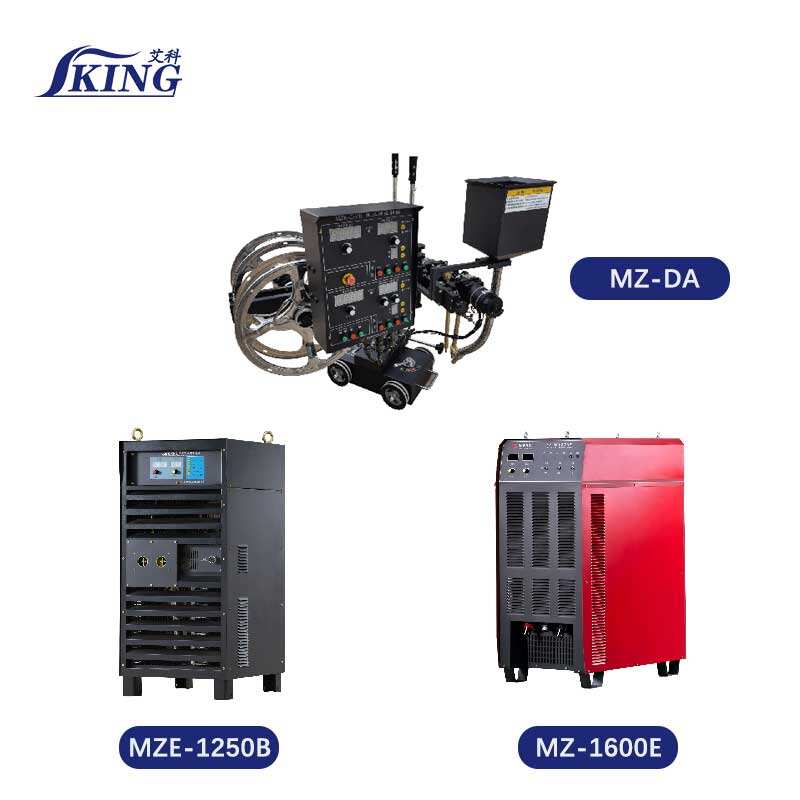
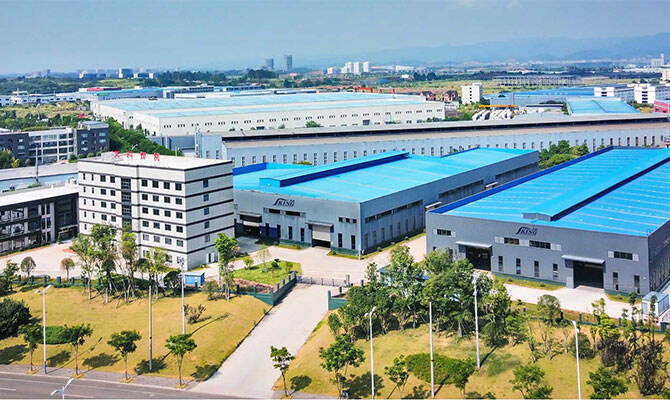
The structural steel industry has undergone significant transformation in recent decades, with automation playing an increasingly crucial role in manufacturing processes. Among the most impactful innovations are column welding machines, which have revolutionized how steel fabrication facilities approach the production of structural columns and beams. These sophisticated systems combine precision engineering with advanced automation to deliver consistent, high-quality welds while dramatically improving productivity and reducing labor costs.
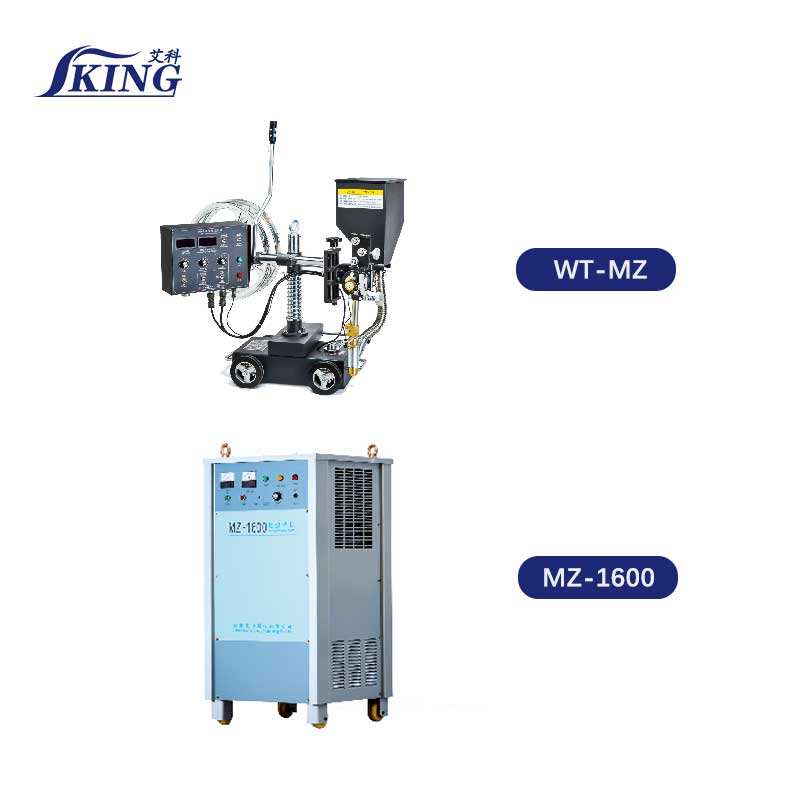
Modern steel fabrication demands exceed what traditional manual welding processes can efficiently deliver. The complexity of contemporary building designs, coupled with stringent quality requirements and compressed project timelines, necessitates advanced welding solutions. Column welding machines address these challenges by automating the most critical aspects of structural steel production, ensuring consistent penetration, optimal bead geometry, and minimal distortion across large-scale manufacturing operations.
Column welding machines incorporate several key technological components that distinguish them from conventional welding equipment. The foundation of these systems typically includes heavy-duty positioning fixtures capable of handling substantial steel sections, often weighing several tons. Advanced servo-driven rotation mechanisms ensure precise workpiece positioning throughout the welding cycle, while sophisticated tracking systems maintain optimal torch positioning relative to the joint geometry.
The welding power sources integrated into column welding machines are specifically designed for high-duty-cycle operations. These systems often feature multiple welding processes, including submerged arc welding for deep penetration joints and gas metal arc welding for precision applications. Temperature monitoring systems prevent overheating during extended operation cycles, while automated wire feeding mechanisms ensure consistent filler metal delivery across varying joint configurations.
Contemporary column welding machines leverage sophisticated programmable logic controllers and human-machine interfaces to optimize welding parameters automatically. These control systems can store hundreds of welding procedures, enabling rapid changeover between different column configurations without manual parameter adjustments. Real-time monitoring capabilities track welding current, voltage, and travel speed, making automatic corrections to maintain optimal weld quality throughout the production cycle.
Integration with manufacturing execution systems allows column welding machines to receive production schedules directly from enterprise resource planning software. This connectivity enables seamless workflow coordination, automatic quality documentation, and real-time production reporting. Advanced systems can even predict maintenance requirements based on operational data, minimizing unplanned downtime and ensuring consistent production capacity.
The implementation of column welding machines typically results in productivity improvements of 200-400% compared to manual welding operations. This dramatic increase stems from several factors, including elimination of setup time between workpieces, consistent travel speeds that optimize deposition rates, and the ability to perform multiple welding operations simultaneously on complex column geometries. The automated nature of these systems also eliminates operator fatigue factors that can reduce productivity during extended production runs.
Cycle time reduction extends beyond the actual welding process to include material handling and positioning operations. Modern column welding machines often incorporate automated loading and unloading systems that can position heavy steel sections without manual intervention. This integration reduces the total time from raw material to finished component, enabling fabrication facilities to meet aggressive delivery schedules while maintaining quality standards.
Consistent weld quality represents one of the most significant advantages of automated column welding machines. These systems eliminate human variability factors that can affect penetration depth, bead geometry, and heat input consistency. Precise control of welding parameters ensures that each weld meets specified mechanical properties, reducing the risk of field failures and associated liability issues.
Advanced column welding machines incorporate real-time quality monitoring systems that can detect defects during the welding process rather than requiring post-weld inspection. These systems use various sensing technologies, including arc monitoring, thermal imaging, and acoustic signature analysis, to identify potential quality issues immediately. When deviations are detected, the system can automatically adjust parameters or alert operators to prevent defective production.
Column welding machines find extensive application in commercial construction projects where standardized structural elements are required in large quantities. High-rise office buildings, shopping centers, and industrial facilities typically incorporate repetitive column designs that benefit from automated production approaches. The consistency provided by column welding machines ensures that structural elements meet engineering specifications while reducing construction timeline risks associated with fabrication delays.
The commercial construction market increasingly demands accelerated project delivery schedules, making the speed advantages of column welding machines particularly valuable. Fabrication facilities serving this market segment can commit to shorter lead times while maintaining quality assurance, providing competitive advantages in bid situations. The ability to produce consistent documentation and quality records also supports the stringent inspection requirements typical of commercial projects.
Infrastructure projects, including bridges, power generation facilities, and transportation systems, require structural steel components that meet extremely demanding performance criteria. Column welding machines excel in these applications due to their ability to produce welds with superior mechanical properties and documented quality characteristics. The precision control available with automated systems ensures compliance with infrastructure codes and standards that may require specific penetration depths, heat input limitations, and post-weld heat treatment considerations.
Heavy industrial applications, such as petrochemical facilities and mining operations, present unique challenges including corrosive environments and extreme loading conditions. Column welding machines can accommodate specialized materials and welding procedures required for these demanding applications. The ability to maintain precise control over heat input and cooling rates becomes critical when working with high-strength steels or materials requiring specific metallurgical properties.
The economic impact of implementing column welding machines extends far beyond simple labor cost reduction, though this represents a significant component of the overall return on investment. Automated systems typically require one operator to manage multiple welding stations, compared to manual operations where each welder can only handle one workpiece at a time. This operational efficiency translates to immediate labor cost savings while simultaneously increasing production capacity.
Productivity gains from column welding machines compound over time as operators become proficient with automated systems. The learning curve for operating sophisticated welding equipment is typically shorter than developing skilled manual welding capabilities, enabling fabrication facilities to expand production capacity without extensive training investments. Additionally, the consistent output from automated systems enables more accurate production planning and delivery commitments, improving customer satisfaction and repeat business opportunities.
The superior quality consistency achievable with column welding machines translates to significant cost avoidance opportunities throughout the project lifecycle. Reduced rework requirements eliminate material waste and schedule delays that can impact project profitability. The documentation capabilities of automated systems also streamline quality assurance processes, reducing inspection time and associated costs while providing comprehensive records for warranty and liability protection.
Long-term cost benefits include reduced field repair requirements and associated warranty claims. The consistent mechanical properties achieved through automated welding processes minimize the risk of structural failures that could result in costly remediation efforts. Insurance companies increasingly recognize the quality advantages of automated production methods, potentially leading to reduced premium costs for fabrication facilities that implement comprehensive automation strategies.
Modern column welding machines serve as integral components of smart manufacturing ecosystems, connecting seamlessly with enterprise resource planning systems, quality management databases, and production scheduling software. This connectivity enables real-time production monitoring, automatic quality documentation, and predictive maintenance capabilities that optimize overall equipment effectiveness. The data generated by these systems provides valuable insights for continuous process improvement and capacity planning initiatives.
Integration with computer-aided design and manufacturing systems allows column welding machines to automatically adapt welding procedures based on engineering drawings and specifications. This capability eliminates manual programming requirements and reduces the potential for human errors in parameter selection. Advanced systems can even optimize welding sequences to minimize distortion and reduce cycle times based on finite element analysis of thermal effects.
Contemporary column welding machines increasingly incorporate remote monitoring capabilities that enable real-time oversight of production operations from centralized control centers. These systems provide immediate notification of operational issues, quality deviations, or maintenance requirements, enabling rapid response to minimize production disruptions. Historical data analysis capabilities support trend identification and predictive maintenance strategies that optimize equipment availability.
Diagnostic capabilities built into modern column welding machines enable proactive maintenance approaches that prevent unexpected failures. Vibration monitoring, thermal imaging, and electrical signature analysis provide early warning of component degradation, allowing maintenance teams to schedule repairs during planned downtime periods. This predictive approach minimizes the impact of maintenance activities on production schedules while extending equipment service life.
Selecting appropriate column welding machines requires careful analysis of production requirements, including maximum workpiece dimensions, weight capacity, and throughput expectations. The range of column sizes and configurations that will be processed determines the fixture design and positioning system requirements. Heavy-duty applications may require specialized lifting and handling equipment integrated with the welding system to manage large structural sections safely and efficiently.
Material specifications and welding procedure requirements influence power source selection and process capabilities. Applications involving high-strength steels, corrosion-resistant alloys, or specialized welding procedures may require enhanced control capabilities and monitoring systems. The ability to accommodate future material requirements and welding standards should be considered during the selection process to ensure long-term system viability.
Successful implementation of column welding machines requires comprehensive evaluation of facility infrastructure, including electrical power availability, compressed air systems, and material handling capabilities. The physical footprint of automated systems is typically larger than manual welding stations, requiring careful layout planning to optimize workflow and maintain safety clearances. Ventilation systems must be sized appropriately to handle increased welding volume and associated fume generation.
Training requirements for operating personnel represent a critical implementation consideration. While column welding machines reduce the skill requirements compared to manual welding, operators must understand system programming, quality monitoring, and basic troubleshooting procedures. Comprehensive training programs ensure optimal system utilization while maintaining safety standards and quality consistency throughout the production operation.
Column welding machines typically deliver productivity improvements of 200-400% compared to manual welding operations. This substantial increase results from elimination of setup time between workpieces, consistent travel speeds that optimize deposition rates, and the ability to perform multiple operations simultaneously. The automated nature also eliminates operator fatigue factors that can reduce manual welding productivity during extended production runs.
These systems eliminate human variability through precise control of welding parameters including current, voltage, travel speed, and wire feed rate. Advanced systems incorporate real-time monitoring using arc sensing, thermal imaging, and acoustic signature analysis to detect potential quality issues during welding. Automated parameter adjustment capabilities ensure each weld meets specified mechanical properties and geometric requirements consistently.
Implementation requires evaluation of electrical power capacity, typically requiring 480V three-phase service with adequate amperage for high-duty-cycle operation. Compressed air systems must provide clean, dry air for pneumatic components and arc shielding. Facility layout must accommodate larger footprints compared to manual stations, while ventilation systems need sizing for increased welding volume and fume generation. Material handling equipment may require upgrades to manage heavy structural components efficiently.
Contemporary systems feature comprehensive connectivity through industrial networks, enabling integration with enterprise resource planning software, manufacturing execution systems, and quality management databases. This connectivity allows automatic receipt of production schedules, real-time quality documentation, and seamless workflow coordination. Advanced systems can store hundreds of welding procedures and automatically select appropriate parameters based on engineering drawings and specifications, eliminating manual programming requirements.
 Hot News
2026-04-09
2026-04-08
2026-04-07
2026-02-26
2026-02-19
2026-02-18

Since 1991, China IKING Industrial Group has been at the forefront of advanced welding technology. With a global presence and over 30 years of experience, we offer innovative solutions in submerged arc welding, electroslag welding, and stud welding. Our high-performance machines have empowered over 100 countries and key industries such as wind energy, shipbuilding, rail transport, and heavy machinery.
RM801-822, Hongxing Building 3, Linke West Road, Hedong District, Tianjin, China
Copyright © 2026 China IKING Industrial Group Co., Ltd. All right reserved Privacy Policy
 EN
EN