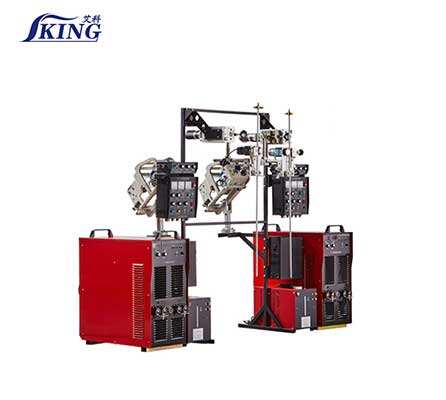
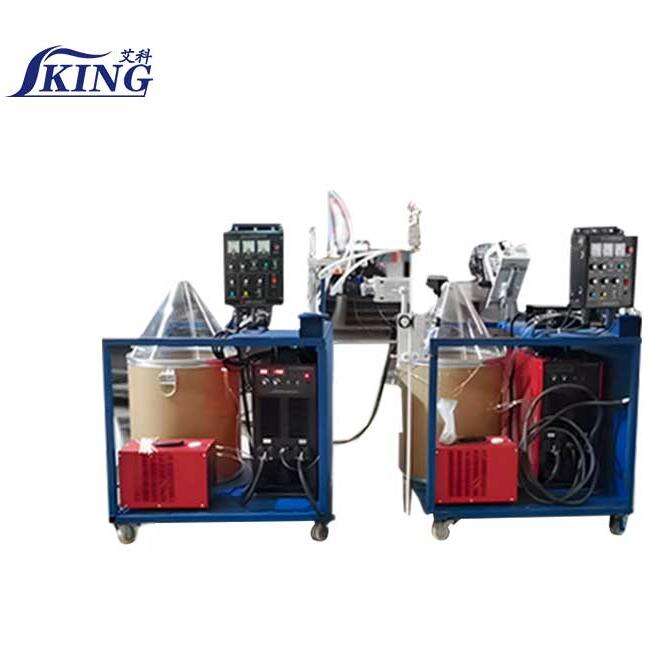
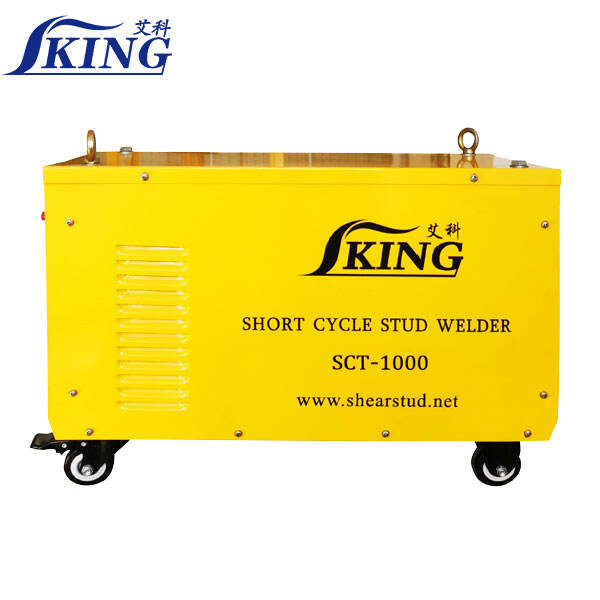
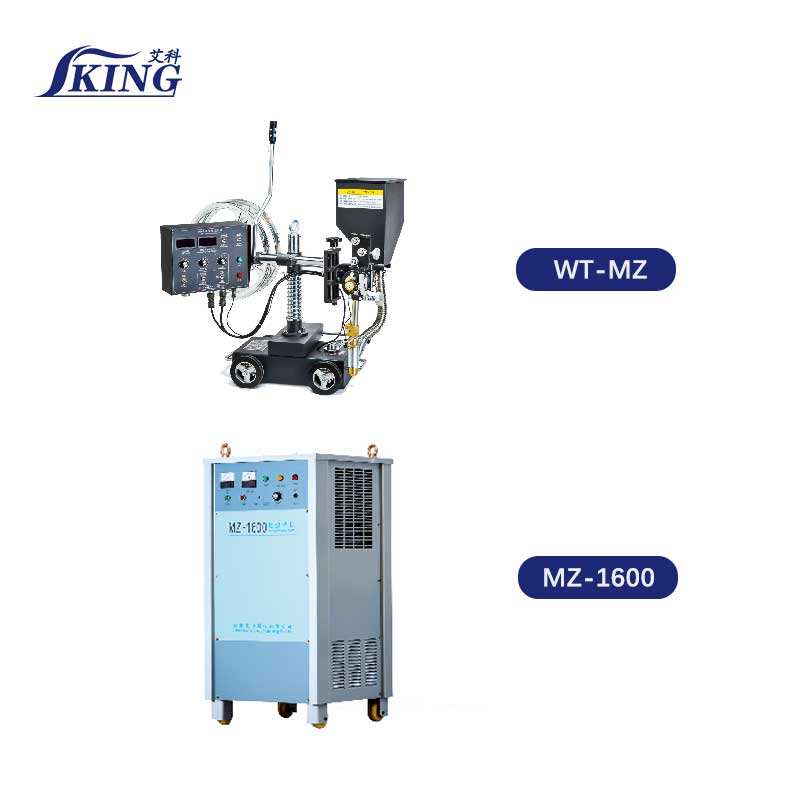
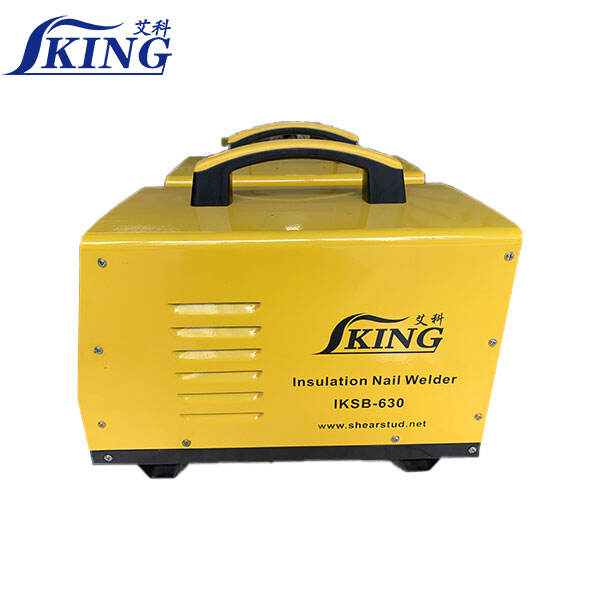
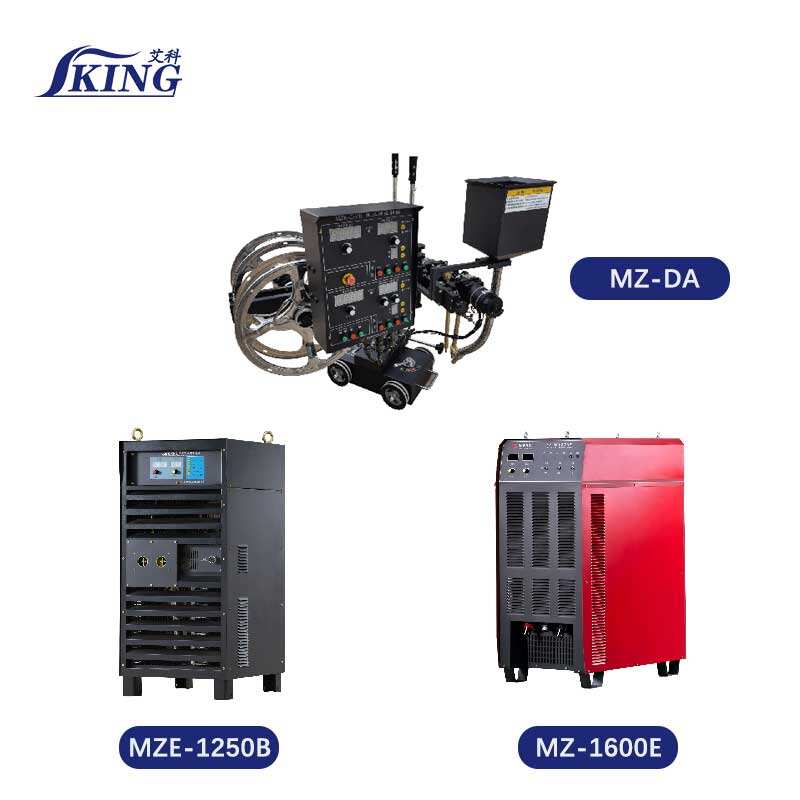
Modern manufacturing industries demand exceptional weld quality and consistency across heavy-duty applications, driving the evolution of specialized welding equipment. Column welding machines have emerged as indispensable tools for achieving superior metallurgical bonds in structural fabrication, pipeline construction, and industrial maintenance projects. These advanced welding systems deliver unparalleled precision through automated processes that minimize human error while maximizing productivity. The implementation of column welding machines transforms traditional welding operations by providing stable arc characteristics, controlled heat input, and reproducible weld profiles that meet stringent quality standards.
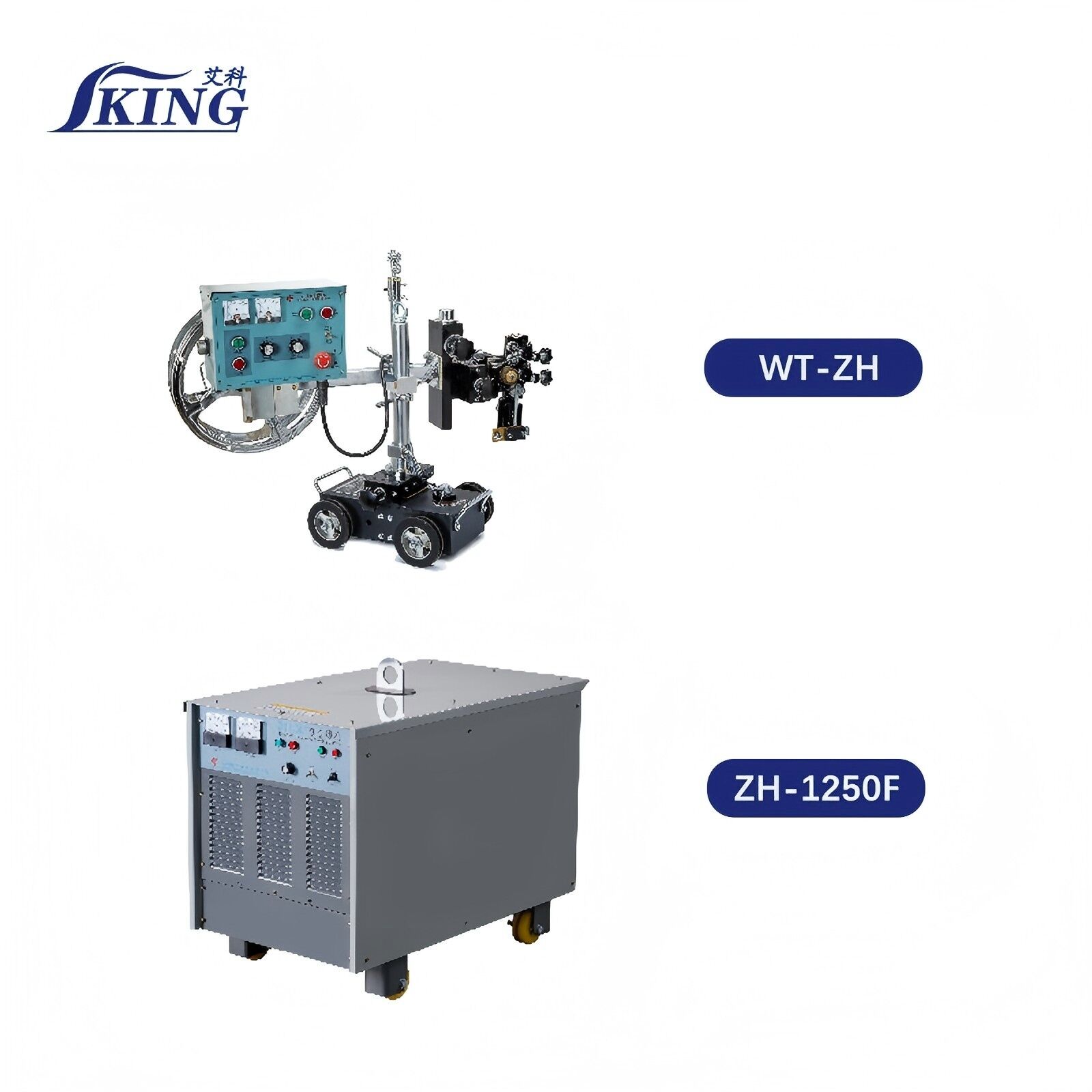
Column welding machines incorporate sophisticated arc control systems that maintain optimal welding parameters throughout the entire operation. These automated mechanisms continuously monitor voltage fluctuations, current stability, and electrode positioning to ensure consistent penetration depth and bead geometry. The precision control algorithms adjust welding parameters in real-time, compensating for material variations and environmental factors that traditionally compromise weld integrity. Advanced sensors integrated within the column structure provide feedback loops that optimize arc length and travel speed for specific material combinations.
The automated nature of these systems reduces operator dependency while enhancing repeatability across multiple weld passes. Digital interfaces allow welding engineers to program specific parameters for different joint configurations, creating standardized procedures that eliminate guesswork from the welding process. This technological advancement proves particularly valuable in production environments where consistency directly impacts product reliability and customer satisfaction.
Effective heat input control represents a critical advantage of column welding machines, as it directly influences metallurgical properties and distortion control. These systems feature programmable heat input algorithms that calculate optimal energy delivery based on material thickness, joint configuration, and desired mechanical properties. The controlled heat input prevents excessive grain growth in the heat-affected zone while ensuring complete fusion throughout the weld cross-section.
Temperature monitoring capabilities enable precise thermal management during multi-pass welding sequences, preventing interpass temperature violations that could compromise weld quality. The column design facilitates efficient heat dissipation through integrated cooling systems, maintaining stable thermal conditions even during extended welding operations. This thermal control capability becomes essential when working with heat-sensitive materials or when specific microstructural requirements must be achieved.
The robust column design provides exceptional mechanical stability that eliminates vibrations and deflections commonly encountered with portable welding equipment. This inherent rigidity ensures consistent electrode positioning throughout the welding cycle, resulting in uniform bead profiles and predictable penetration characteristics. The substantial mass and engineered base structure of column welding machines create a stable platform that maintains alignment even under dynamic welding forces.
Precision guide systems integrated within the column framework enable accurate torch positioning with minimal operator intervention. These mechanical systems feature adjustable settings for various welding positions and joint geometries, accommodating complex fabrication requirements while maintaining dimensional accuracy. The stability provided by column welding machines proves particularly beneficial when welding critical structural components where geometric tolerances directly impact structural integrity.
Column welding machines deliver remarkable consistency in weld profile characteristics, including bead width, reinforcement height, and toe angle geometry. The programmable travel speed control ensures uniform heat input distribution along the weld length, eliminating the irregularities associated with manual welding techniques. Consistent weld profiles contribute significantly to fatigue resistance and overall joint performance in service applications.
Digital monitoring systems track welding parameters continuously, generating data logs that document process compliance and quality metrics. This documentation capability supports quality assurance programs and provides traceability for critical applications requiring certified welding procedures. The ability to reproduce identical weld profiles across multiple components streamlines production processes while maintaining the highest quality standards.
The automation capabilities of column welding machines significantly reduce skilled labor requirements while improving overall productivity metrics. These systems enable single-operator control of complex welding sequences that traditionally required multiple welders working in coordination. The automated operation reduces fatigue-related errors and maintains consistent performance throughout extended production runs, maximizing output while minimizing labor costs.
Training requirements for column welding machine operators are typically less intensive than those required for manual welding positions, as the automated systems handle the critical variables that demand years of experience to master. This reduced training burden enables manufacturers to expand their welding capabilities more rapidly while maintaining quality standards. The simplified operation also reduces the likelihood of human errors that can result in costly rework or component rejection.
Column welding machines operate at optimal parameters continuously, achieving higher deposition rates than manual welding processes while maintaining superior quality standards. The elimination of setup time between weld passes and the ability to maintain consistent travel speeds throughout the operation contribute to significant productivity improvements. These machines can operate continuously with minimal interruption, maximizing equipment utilization and production capacity.
The column welding machines incorporate efficient electrode feeding systems that minimize downtime associated with consumable changes. Automated wire feeding mechanisms ensure continuous operation while maintaining proper electrode extension throughout the welding cycle. This continuous operation capability proves essential in production environments where downtime directly impacts profitability and delivery schedules.
Column welding machines demonstrate exceptional versatility across various material types, including carbon steels, stainless steels, and specialized alloys commonly used in industrial applications. The programmable parameter control enables optimization for specific material combinations, ensuring proper fusion characteristics and mechanical properties regardless of base metal composition. This versatility eliminates the need for multiple specialized welding systems in diverse manufacturing environments.
Advanced power supply systems integrated within column welding machines provide the precise current control required for welding dissimilar materials with significantly different thermal properties. The ability to adjust welding characteristics for specific material requirements ensures optimal metallurgical bonding while preventing common defects such as lack of fusion or excessive dilution. This capability proves particularly valuable in repair and maintenance applications where various material types must be joined effectively.
The robust design of column welding machines enables effective welding across a broad thickness range, from moderate section components to heavy structural elements exceeding several inches in thickness. The high deposition rate capabilities of these systems make them particularly suitable for thick section welding where productivity and penetration depth are primary concerns. Programmable heat input control ensures appropriate thermal cycles regardless of material thickness variations.
Multi-pass welding sequences can be programmed and executed automatically, with each pass optimized for specific objectives such as root penetration, fill efficiency, or cap appearance. The ability to maintain consistent interpass temperatures throughout thick section welding prevents thermal stress accumulation and ensures uniform microstructural development. This capability makes column welding machines ideal for pressure vessel fabrication, structural steel construction, and heavy machinery manufacturing applications.
Modern column welding machines incorporate comprehensive monitoring systems that track critical welding parameters in real-time, providing immediate feedback on process stability and quality indicators. These monitoring capabilities include voltage stability, current consistency, travel speed accuracy, and electrode position tracking throughout the welding operation. Digital displays provide operators with instant visibility into process conditions, enabling immediate corrective actions when parameters drift outside acceptable ranges.
Data logging capabilities create permanent records of welding parameters for each completed joint, supporting quality assurance programs and regulatory compliance requirements. The documented parameter history enables process optimization through statistical analysis and trend identification, leading to continuous improvement in welding procedures. This documentation proves essential for critical applications where weld quality must be verified through comprehensive process records.
The controlled environment provided by column welding machines significantly reduces the occurrence of common welding defects such as porosity, lack of fusion, and irregular penetration patterns. Consistent shielding gas coverage and stable arc conditions minimize atmospheric contamination that leads to porosity formation in sensitive materials. The precise heat input control prevents excessive temperatures that can cause burn-through or distortion in thin section materials.
Automated parameter control eliminates the human factors that commonly contribute to welding defects, such as inconsistent travel speed or improper electrode angle maintenance. The programmable nature of these systems ensures that proven welding procedures are executed identically across multiple components, reducing variability and improving overall quality metrics. This defect prevention capability translates directly into reduced inspection requirements and lower rejection rates in production environments.
The implementation of column welding machines delivers substantial operational efficiency improvements through reduced cycle times, minimized rework requirements, and optimized material utilization. The consistent quality output reduces inspection time and eliminates the costs associated with defective welds that require repair or replacement. Higher first-pass success rates directly translate into improved profitability and resource utilization efficiency.
Energy efficiency features integrated within modern column welding machines reduce operating costs through optimized power consumption and reduced waste heat generation. The precise control capabilities minimize consumable waste by eliminating over-welding and reducing the need for grinding or finishing operations on completed welds. These efficiency improvements accumulate over time to provide significant cost savings in high-volume production environments.
Column welding machines are engineered for extended service life with minimal maintenance requirements, providing excellent return on investment through reliable long-term operation. The robust construction and quality components used in these systems ensure consistent performance over many years of industrial use. Preventive maintenance programs can be easily implemented to maintain optimal performance while minimizing unexpected downtime events.
The durability of column welding machines makes them particularly suitable for demanding industrial environments where equipment reliability directly impacts production capacity. The ability to maintain consistent performance characteristics over extended periods ensures that quality standards remain stable throughout the equipment lifecycle. This reliability factor proves essential when evaluating total cost of ownership and long-term profitability of welding operations.
Column welding machines offer superior stability, automated parameter control, and consistent quality output compared to conventional portable welding equipment. The rigid column structure eliminates vibrations and ensures precise electrode positioning throughout the welding cycle. Automated systems reduce operator dependency while maintaining optimal welding parameters, resulting in improved productivity and reduced defect rates. The programmable nature of these machines enables standardized procedures that ensure consistent results across multiple operators and production runs.
These machines maintain consistent penetration through precise control of welding current, voltage, and travel speed throughout the entire operation. The automated parameter control eliminates variations caused by operator technique, ensuring uniform heat input distribution along the weld length. Real-time monitoring systems adjust parameters automatically to compensate for material variations or environmental changes that could affect penetration depth. The stable arc conditions provided by column welding machines result in predictable fusion characteristics and reproducible weld profiles.
Column welding machines require routine maintenance including electrode feeding system cleaning, electrical connection inspection, and mechanical component lubrication according to manufacturer specifications. The robust design minimizes wear components and reduces maintenance frequency compared to portable welding equipment. Regular calibration of monitoring systems and parameter verification ensures continued accuracy and quality performance. Preventive maintenance programs can be easily implemented to maximize equipment reliability and extend service life while minimizing unexpected downtime events.
Modern column welding machines feature adjustable positioning systems that accommodate various welding positions including flat, horizontal, vertical, and overhead applications. The column structure can be configured with rotating fixtures and adjustable torch angles to optimize access for different joint geometries. Programmable parameter sets can be stored for specific position requirements, ensuring optimal welding conditions regardless of joint orientation. The versatility of these systems makes them suitable for complex fabrication projects requiring multiple welding positions within a single component.
 Hot News
2026-04-09
2026-04-08
2026-04-07
2026-02-26
2026-02-19
2026-02-18

Since 1991, China IKING Industrial Group has been at the forefront of advanced welding technology. With a global presence and over 30 years of experience, we offer innovative solutions in submerged arc welding, electroslag welding, and stud welding. Our high-performance machines have empowered over 100 countries and key industries such as wind energy, shipbuilding, rail transport, and heavy machinery.
RM801-822, Hongxing Building 3, Linke West Road, Hedong District, Tianjin, China
Copyright © 2026 China IKING Industrial Group Co., Ltd. All right reserved Privacy Policy
 EN
EN