Electroslag Welding: Advanced Steel Joining Technology for Heavy Industry

All Categories

electroslag welding for steel

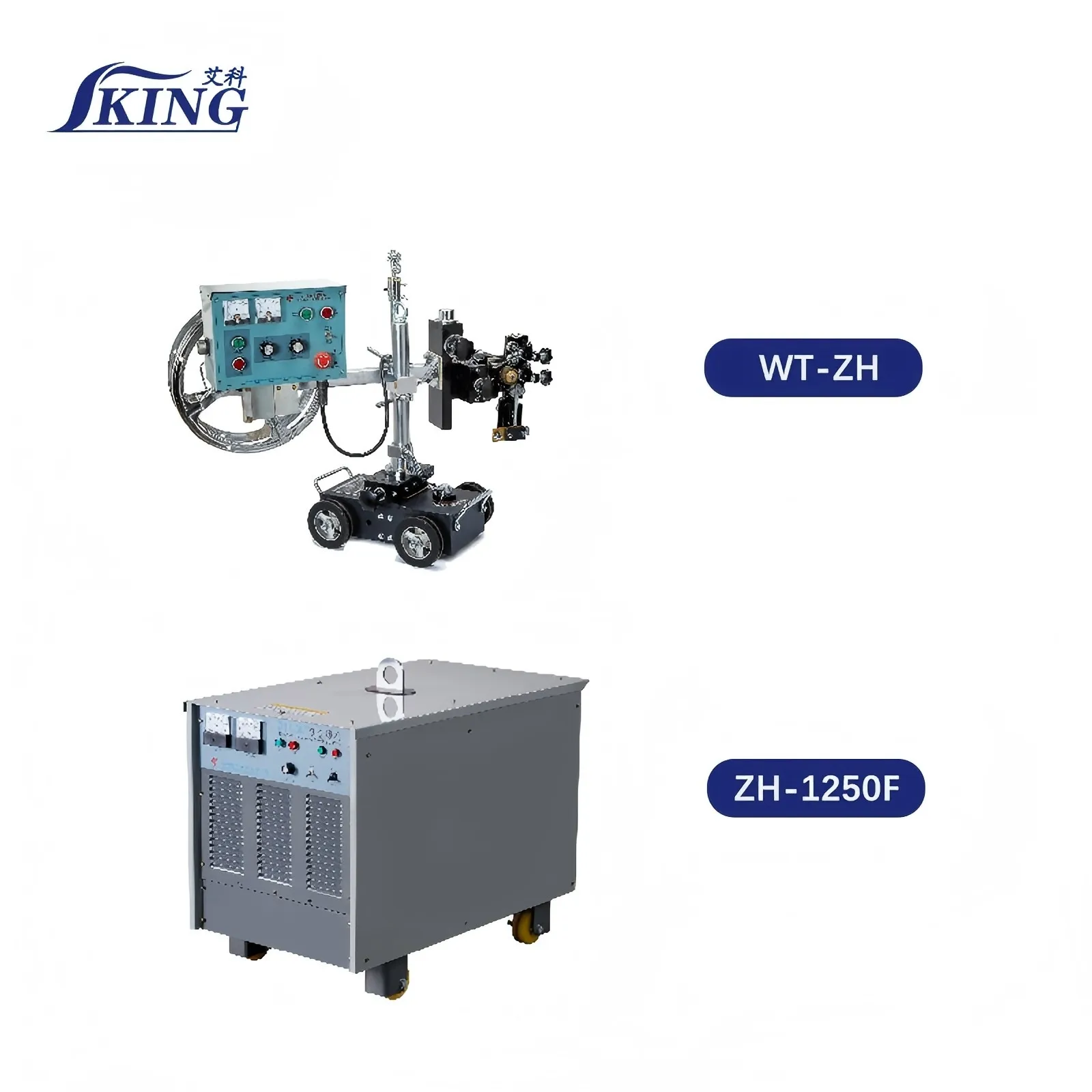
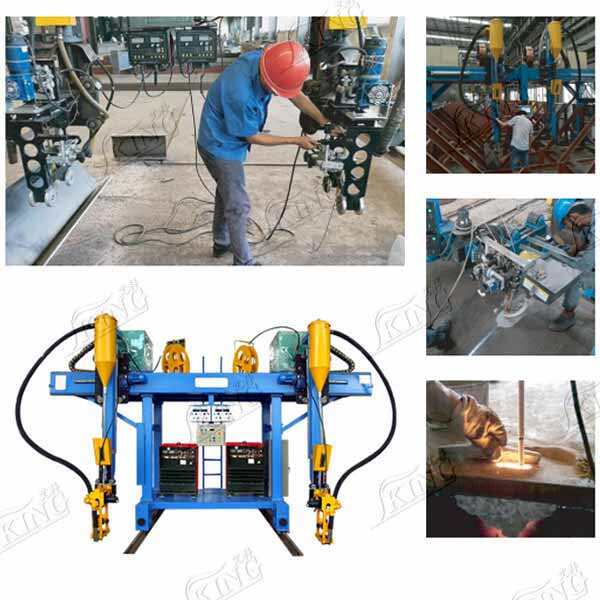
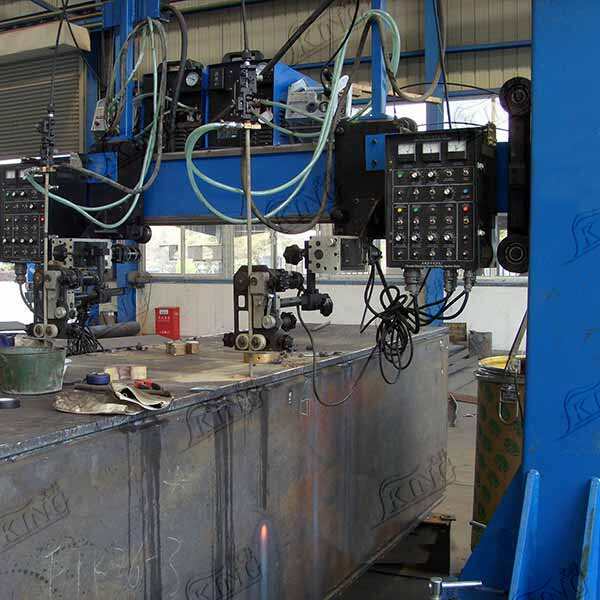
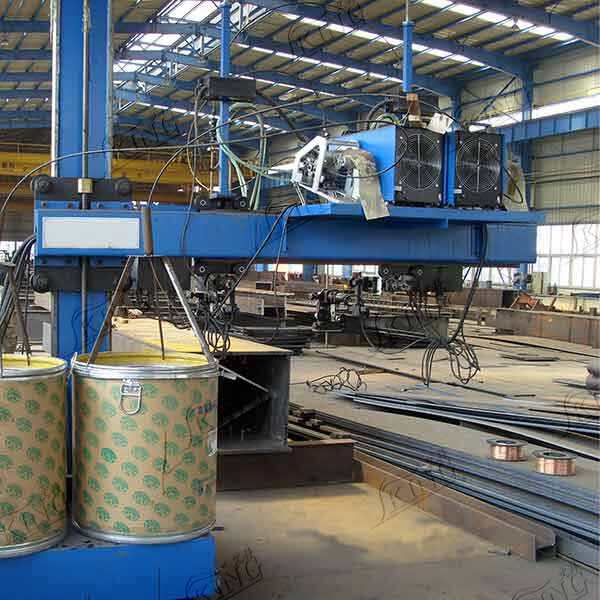
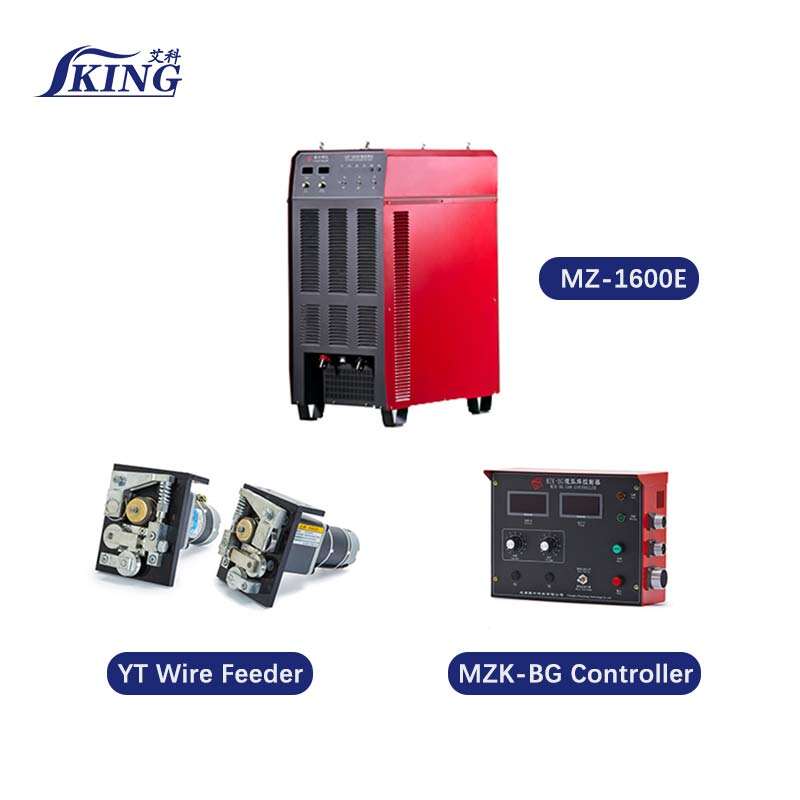
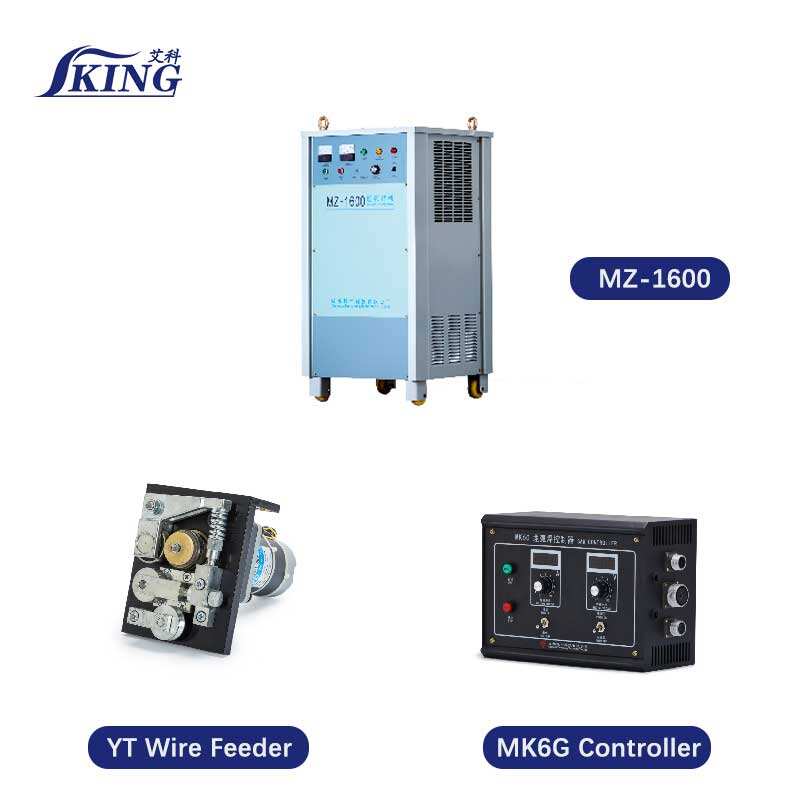
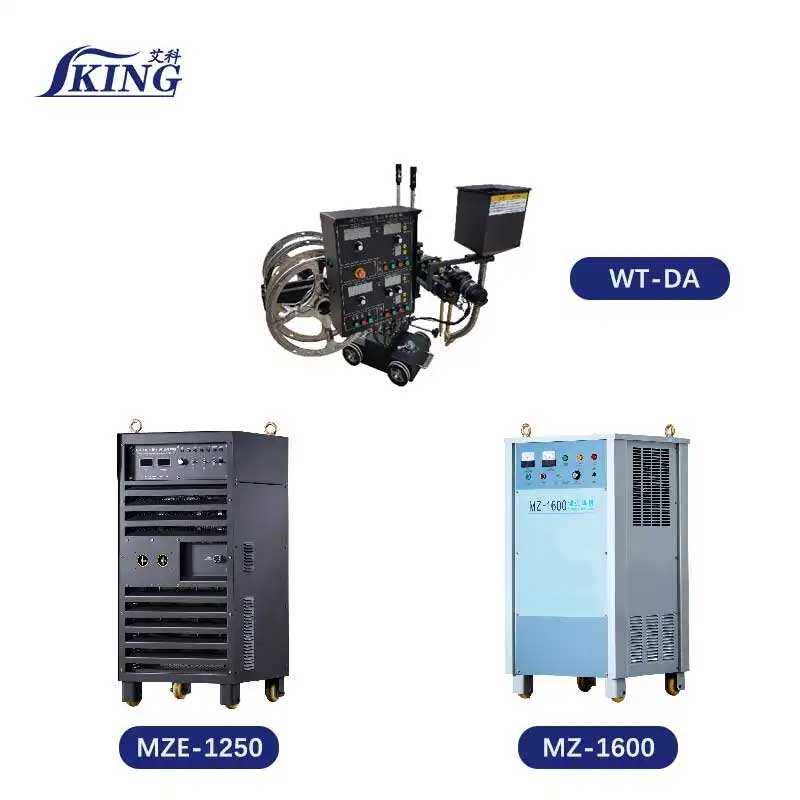
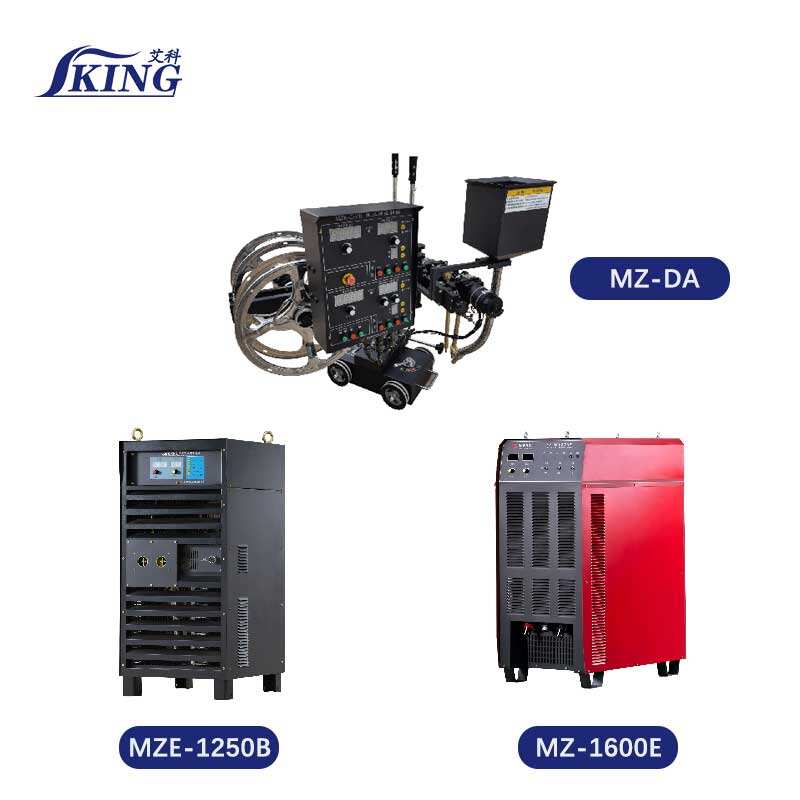
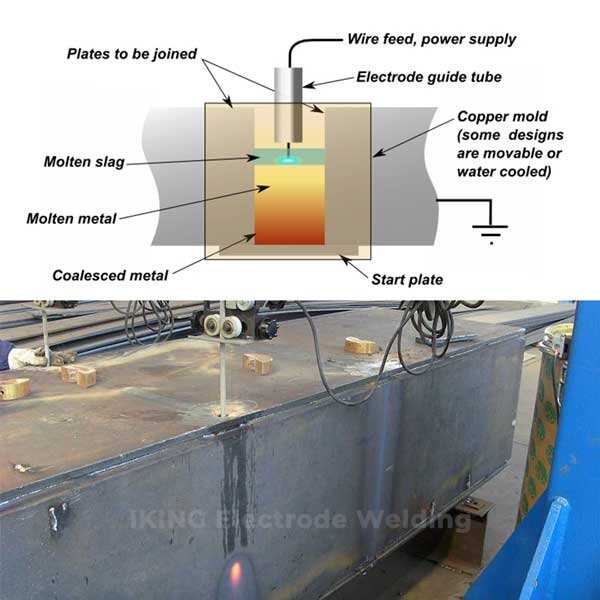
Electroslag welding (ESW) represents a highly efficient and specialized welding process designed specifically for joining thick steel sections in a vertical position. This advanced welding technique utilizes electrical resistance heating and a molten slag bath to create high-quality, deep-penetration welds in a single pass. During the process, the heat generated by the electrical current passing through a conductive slag bath melts both the filler metal and the base material edges. The molten metal then solidifies to form a strong, continuous joint. The process is particularly notable for its ability to weld steel plates ranging from 1 to 12 inches in thickness, making it invaluable for heavy industrial applications. The technology employs a water-cooled copper shoe or dam on either side of the joint to contain the molten metal and slag, ensuring precise control of the weld pool. ESW excels in applications such as shipbuilding, construction of heavy equipment, bridge fabrication, and other structural steel projects where thick sections need to be joined efficiently. The process delivers exceptional weld quality with minimal distortion, reduced labor costs, and significantly higher deposition rates compared to traditional welding methods.

New Products

Electroslag welding offers numerous compelling advantages that make it an optimal choice for heavy steel fabrication projects. First and foremost, its remarkable efficiency in welding thick sections in a single pass dramatically reduces operation time and labor costs compared to conventional multi-pass welding techniques. The process achieves deposition rates of up to 100 pounds per hour, far exceeding traditional welding methods. The vertical welding position utilized in ESW eliminates the need for complex joint preparation and positioning equipment, simplifying the overall welding operation. Quality-wise, ESW produces consistently high-quality welds with excellent mechanical properties and minimal distortion. The controlled heating and cooling cycle results in a refined grain structure in the weld and heat-affected zone, ensuring superior joint strength. The process also demonstrates exceptional cost-effectiveness for thick-section welding, as it requires less filler material and significantly reduces labor hours. From an operational standpoint, ESW provides excellent operator comfort and safety, as the welding process is largely automated and shields the operator from arc radiation. The technique's ability to produce smooth, uniform welds reduces or eliminates the need for post-weld machining, further enhancing its economic benefits. Additionally, the process offers remarkable versatility in terms of steel grades it can handle, from carbon steels to low-alloy structural steels, making it suitable for diverse industrial applications.

Practical Tips

What is Electroslag Welding?

16

Apr

What is Electroslag Welding?

View More
Metallurgical Characteristics and Weld Quality Control in Electroslag Welding

16

Apr

Metallurgical Characteristics and Weld Quality Control in Electroslag Welding

View More
The Ultimate Guide to Arc Stud Welding Machines

16

May

The Ultimate Guide to Arc Stud Welding Machines

Discover the power of arc stud welding for industrial applications. This method, key for construction, automotive, and shipbuilding industries, offers unmatched strength, cost-effectiveness, and versatility across materials. Learn about its core principles, benefits, and how to choose the right machine.
View More
The Benefits of Using a Box Beam Welding Machine

16

May

The Benefits of Using a Box Beam Welding Machine

Explore how box beam welding machines enhance efficiency with automated processes, multi-torch systems, and precision engineering for structural integrity. Discover their applications in construction and manufacturing, highlighting cost-effective automation and safety improvements.
View More

Get a Free Quote

Our representative will contact you soon.
Email
Name
Company Name
Products
Message
0/1000

electroslag welding for steel

Superior Joint Quality and Penetration

Superior Joint Quality and Penetration

Electroslag welding delivers exceptional weld quality characterized by complete fusion and thorough penetration throughout the entire joint thickness. The process creates a stable, controlled molten pool that ensures uniform heat distribution and consistent weld properties. The molten slag bath acts as a protective environment, preventing atmospheric contamination and resulting in clean, porosity-free welds. The carefully regulated cooling rate promotes the formation of optimal microstructures, leading to superior mechanical properties in both the weld metal and heat-affected zone. This level of quality control makes ESW particularly valuable for critical structural applications where joint integrity is paramount.
Unprecedented Efficiency in Thick Steel Welding

Unprecedented Efficiency in Thick Steel Welding

The remarkable efficiency of electroslag welding in handling thick steel sections sets it apart from conventional welding methods. The ability to complete thick joints in a single pass eliminates the time-consuming process of multiple weld passes typically required in traditional welding techniques. This single-pass capability not only accelerates the welding process but also ensures uniform heat distribution throughout the joint thickness. The high deposition rates, often exceeding 100 pounds per hour, significantly reduce project completion times and labor requirements. This efficiency translates directly into cost savings and increased productivity for large-scale industrial projects.
Cost-Effective Solution for Heavy Industry

Cost-Effective Solution for Heavy Industry

Electroslag welding represents a highly cost-effective solution for heavy industrial applications, particularly in projects involving thick steel sections. The process minimizes material waste through precise control of the weld pool and reduced need for joint preparation. The automated nature of ESW reduces labor requirements and minimizes human error, leading to fewer repairs and rework. The high deposition rates and single-pass capability significantly reduce operation time, resulting in substantial labor cost savings. Additionally, the process requires less filler material compared to conventional welding methods, further contributing to cost efficiency. The minimal post-weld cleaning and machining requirements also contribute to overall cost reduction.

Get a Free Quote

Our representative will contact you soon.
Email
Name
Company Name
Message
0/1000