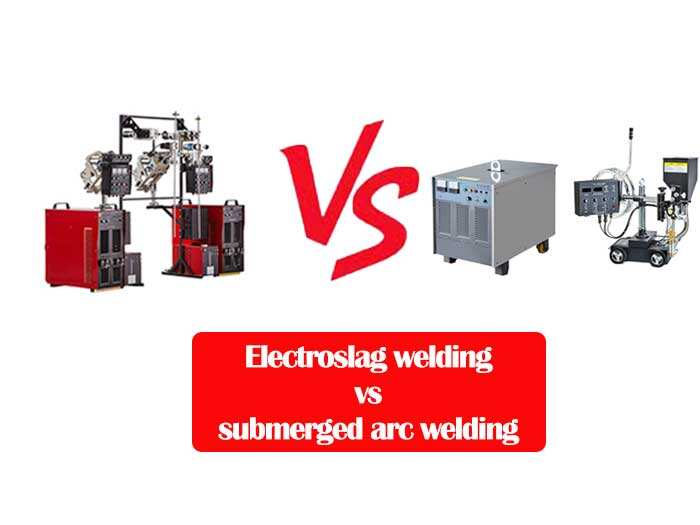
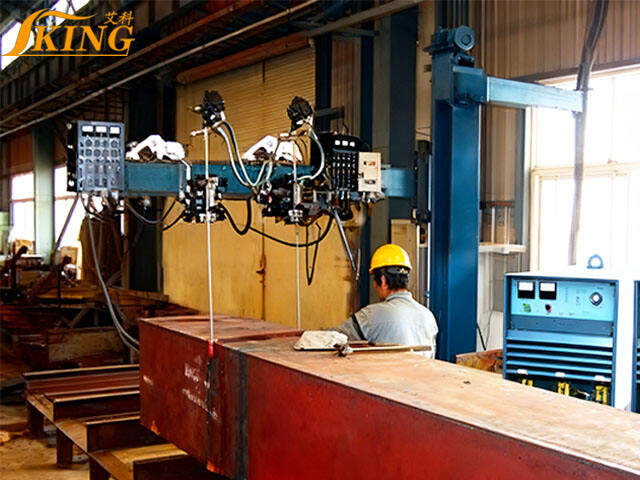
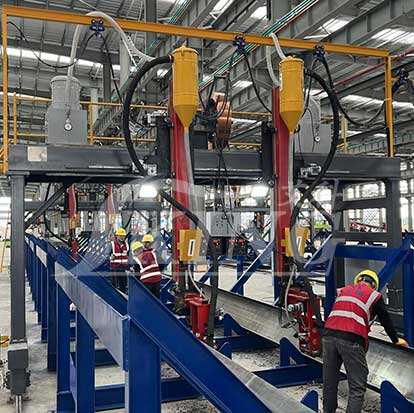
The construction and manufacturing industries heavily rely on precision welding equipment to create robust structural components that meet stringent safety and performance standards. Modern fabrication facilities demand advanced welding solutions that can handle complex geometries while maintaining consistent quality throughout production cycles. When it comes to structural steel fabrication, few pieces of equipment are as critical as specialized welding systems designed for heavy-duty applications. The evolution of automated welding technology has transformed how manufacturers approach large-scale structural projects, enabling them to achieve unprecedented levels of precision and efficiency in their operations.
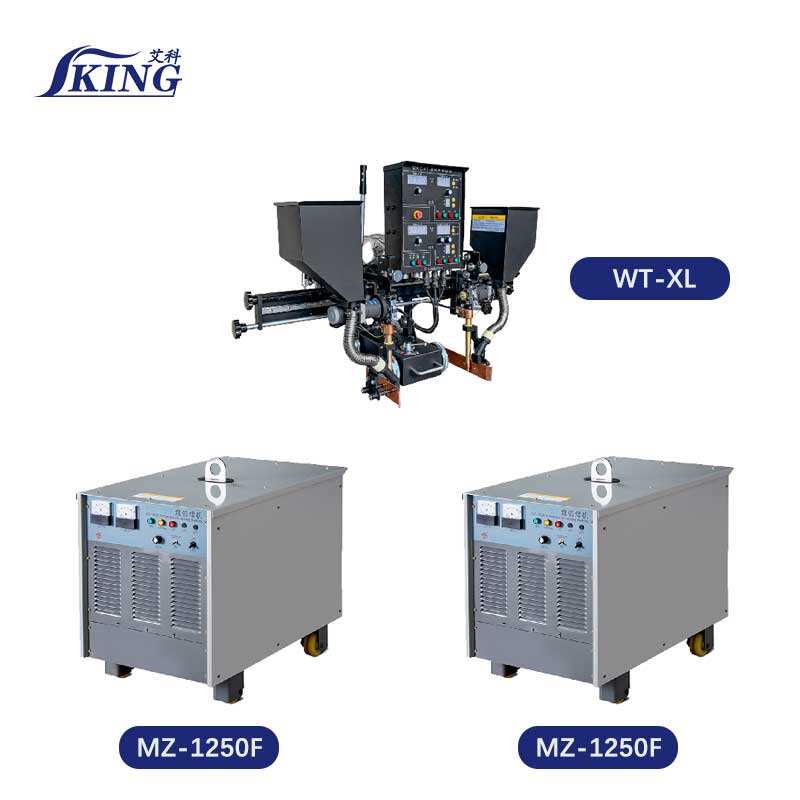
Modern welding systems for structural applications incorporate sophisticated control mechanisms that ensure optimal performance across various material types and thicknesses. These systems typically feature multiple welding heads that can operate simultaneously, dramatically reducing production time while maintaining uniform weld quality. The integration of servo-driven positioning systems allows for precise control over welding parameters, ensuring that each joint meets the exact specifications required for structural integrity. Advanced welding machines also incorporate real-time monitoring capabilities that track critical parameters such as arc voltage, current levels, and travel speed throughout the welding process.
The electrical systems powering these machines are engineered to deliver stable power output even under demanding industrial conditions. Power source modules are designed with redundancy features to prevent production interruptions, while sophisticated feedback loops maintain consistent welding parameters regardless of material variations. Temperature management systems ensure that critical components operate within optimal ranges, extending equipment lifespan and maintaining welding quality. These machines also feature comprehensive safety systems that protect both operators and equipment from potential hazards associated with high-current welding operations.
Contemporary welding automation relies heavily on programmable logic controllers that can store and execute complex welding sequences with minimal operator intervention. These control systems can be programmed to handle multiple welding patterns and automatically adjust parameters based on material specifications and joint requirements. The integration of touch-screen interfaces simplifies operation while providing operators with real-time feedback on system performance and weld quality. Advanced positioning systems utilize precision ball screws and linear guides to ensure accurate torch positioning throughout the welding cycle.
Sensor technology plays a crucial role in maintaining consistent weld quality by continuously monitoring joint preparation and torch positioning. Vision systems can detect variations in joint gap and automatically adjust welding parameters to compensate for these differences. Wire feed systems are equipped with precision motors that maintain consistent filler metal delivery, while gas delivery systems ensure proper shielding gas coverage throughout the welding process. These automated features significantly reduce the skill level required for operation while improving overall weld consistency and quality.
Successful structural welding begins with proper material preparation and understanding of base metal characteristics. Different steel grades require specific welding procedures to achieve optimal mechanical properties in the finished weld. Surface preparation is critical for achieving high-quality welds, requiring the removal of scale, rust, and other contaminants that could compromise weld integrity. The geometry of structural joints must be precisely machined to ensure proper fit-up and minimize the risk of welding defects.
Heat treatment considerations become particularly important when working with high-strength steels or materials with specific metallurgical requirements. Preheating procedures may be necessary to prevent cracking in thick sections or high-carbon materials. Post-weld heat treatment schedules must be carefully planned to achieve desired mechanical properties while maintaining dimensional stability. Proper material handling and storage procedures ensure that base materials maintain their specified properties throughout the fabrication process.
Selecting appropriate welding parameters requires careful consideration of material thickness, joint configuration, and production requirements. Current levels must be optimized to achieve proper penetration while avoiding excessive heat input that could affect material properties. Travel speed directly impacts weld bead geometry and must be coordinated with wire feed rates to maintain consistent deposition. Voltage settings control arc characteristics and must be adjusted based on joint access and desired weld profile.
The box beam welding machine parameters require precise calibration to achieve optimal results across different structural configurations. Gas flow rates must be sufficient to provide adequate shielding while avoiding turbulence that could introduce defects. Electrode extension affects arc stability and must be maintained within specified limits throughout the welding operation. Sophisticated control systems automatically adjust these parameters based on programmed welding procedures, ensuring consistent results regardless of operator experience level.
Modern quality assurance programs incorporate multiple non-destructive testing methods to verify weld integrity without compromising structural components. Visual inspection remains the first line of quality control, requiring trained inspectors to identify surface defects and verify that welds meet specified appearance standards. Magnetic particle testing effectively detects surface and near-surface defects in ferromagnetic materials, while liquid penetrant testing can identify surface-breaking defects in non-magnetic materials. These methods provide immediate feedback on weld quality and help identify process adjustments needed to maintain standards.
Ultrasonic testing provides detailed information about internal weld quality and can detect subsurface defects that might not be visible through other methods. Radiographic testing offers comprehensive evaluation of weld internal structure but requires specialized facilities and safety procedures. Advanced testing methods such as phased array ultrasonics and digital radiography provide enhanced defect detection capabilities while reducing inspection time. These testing protocols must be carefully coordinated with production schedules to minimize impact on delivery timelines while ensuring complete quality verification.
Comprehensive documentation systems track all aspects of the welding process from material certification through final inspection results. Welding procedure specifications must be developed and qualified for each application, documenting all critical parameters and acceptance criteria. Welder qualification records ensure that only certified personnel perform critical welding operations, while daily production logs track parameter compliance and quality metrics. Material traceability systems maintain complete records of base metal and consumable lot numbers used in each weldment.
Digital documentation systems increasingly replace paper-based records, providing improved data accessibility and reducing the risk of lost or damaged documentation. Electronic signatures and time stamps ensure document integrity while facilitating audit procedures. Integration with production management systems enables real-time tracking of work progress and quality metrics. These comprehensive documentation systems are essential for meeting regulatory requirements and providing customers with confidence in product quality and traceability.
Effective maintenance programs are essential for maximizing equipment uptime and maintaining consistent welding quality. Regular inspection schedules identify potential problems before they result in equipment failure or quality issues. Lubrication programs ensure that mechanical components operate smoothly while extending service life. Electrical system maintenance includes regular inspection of connections and replacement of consumable components according to manufacturer recommendations.
Consumable management programs track usage rates and maintain adequate inventory levels to prevent production interruptions. Wire feed system maintenance requires regular cleaning and calibration to ensure consistent filler metal delivery. Gas delivery systems need periodic leak testing and pressure regulation verification. Cooling system maintenance prevents overheating issues that could damage sensitive electronic components or affect weld quality. These maintenance activities must be carefully scheduled to minimize production impact while ensuring reliable equipment operation.
Comprehensive training programs ensure that operators understand both equipment operation and welding fundamentals necessary for producing quality welds. Initial training covers equipment safety procedures, basic operation principles, and quality requirements specific to structural welding applications. Ongoing training programs keep operators updated on new technologies and procedures while reinforcing safety practices. Certification programs verify operator competency and provide documentation required by quality management systems.
Cross-training initiatives develop versatile operators who can work with multiple equipment types and welding processes. Troubleshooting training enables operators to identify and resolve common problems without requiring maintenance personnel intervention. Advanced training programs cover topics such as metallurgy, welding inspection, and quality control procedures. These comprehensive training programs are essential for maintaining high productivity levels while ensuring consistent weld quality across all production shifts.
Automated welding systems offer significant advantages including improved weld consistency, reduced labor costs, and enhanced productivity. These systems eliminate human variability in welding parameters, resulting in more uniform weld quality throughout production runs. Automated positioning systems ensure precise torch placement and travel speed, while programmable controls maintain optimal welding parameters regardless of operator experience. The ability to operate continuously with minimal supervision dramatically increases production capacity while reducing labor requirements.
Material thickness directly influences heat input requirements and penetration characteristics, necessitating adjustments to current, voltage, and travel speed parameters. Thicker materials typically require higher current levels and slower travel speeds to achieve complete penetration, while thinner materials need reduced heat input to prevent burn-through. Joint configuration affects accessibility and dictates torch positioning requirements, influencing parameter selection and welding sequence planning. Complex joint geometries may require specialized welding procedures and multiple passes to achieve complete fusion.
Critical maintenance procedures include regular cleaning of wire feed systems, calibration of positioning mechanisms, and inspection of electrical connections. Wire feed rollers must be kept clean and properly aligned to ensure consistent filler metal delivery, while drive motors require periodic lubrication and inspection. Welding torch components need regular replacement according to manufacturer schedules, and gas delivery systems require leak testing and flow verification. Electronic control systems benefit from regular software updates and calibration verification to maintain optimal performance.
Compliance with welding quality standards requires implementation of comprehensive quality management systems that include procedure development, operator qualification, and systematic inspection protocols. Welding procedures must be developed and qualified according to applicable codes, with all critical parameters documented and verified. Regular audits of welding operations ensure continued compliance while identifying opportunities for process improvement. Training programs must keep personnel updated on current code requirements and industry best practices to maintain certification and ensure consistent compliance.
Since 1991, China IKING Industrial Group has been at the forefront of advanced welding technology. With a global presence and over 30 years of experience, we offer innovative solutions in submerged arc welding, electroslag welding, and stud welding. Our high-performance machines have empowered over 100 countries and key industries such as wind energy, shipbuilding, rail transport, and heavy machinery.
RM801-822, Hongxing Building 3, Linke West Road, Hedong District, Tianjin, China
Copyright © 2026 China IKING Industrial Group Co., Ltd. All right reserved Privacy Policy
 EN
EN